
High-power, high-voltage and precision resistors must match the application electrically, thermally and mechanically. etronics supports you in selecting, specifying and sourcing suitable resistor solutions – matched to power, voltage, pulse load, form factor, cooling and operating environment.

Resistors: benefits for your application
Resistors do far more in electronic systems than provide simple limiting or load functions. Depending on the application, they must reliably handle high power, voltages, currents, pulses or thermal loads. Key factors include resistance value, rated power, operating voltage, pulse strength, cooling, form factor and long-term stability.
etronics supports the selection and sourcing of suitable resistor solutions – across manufacturers and, depending on requirements, also with solutions from selected manufacturers such as MIBA.
Your benefits:
- Suitable electrical design: matched to resistance value, power, voltage, current and pulse load
- Thermally safe solution: with suitable cooling, derating assessment and reliable heat dissipation
- Suitable form factor: aluminium housing, ceramic, wirewound, shunt, high-voltage or water-cooled design
- Operational reliability: designed for temperature, environmental influences, service life and electrical stability
- Application-specific selection: for braking, load, snubber, discharge, measuring, protection or precharge applications
- Procurement support: from technical clarification and alternative checks through to a production-ready solution
What matters when using resistors
Whether braking resistor, load resistor, snubber, voltage divider, measuring resistor, protection resistor or discharge resistor: the right resistor solution always depends on the specific application. In addition to the resistance value, power, voltage, current, pulse load, temperature, cooling, form factor, mounting and environmental conditions are decisive.
High-power, high-voltage and precision resistors for technical applications
Many requirements cannot be defined by resistance value alone. In practice, thermal load, pulse energy, derating, insulation strength, connection technology and mechanical integration determine whether a resistor will function reliably over the long term. etronics supports you in clarifying these requirements early and finding suitable solutions for prototypes, replacement needs or series projects.
Typical requirements that should be clarified early:
- Application: braking, discharge, load, snubber, measuring, protection or precharge resistor
- Electrical characteristics: resistance value, rated power, operating voltage, insulation voltage, continuous current and peak current
- Pulse load: pulse energy, pulse duration, pulse shape, repetition rate and overload capability
- Thermal design: temperature range, derating, TCR, cooling and heat dissipation
- Mechanics: form factor, size, mounting type, connection type and available installation space
- Environment & standards: humidity, vibration, shock, insulation strength, RoHS, REACH and relevant industry standards
Which resistor solution fits your application?
The right resistor solution depends on the application, electrical characteristics, pulse load, thermal design, form factor, connection type and operating environment. The following overview helps with initial classification.
Power Resistors
Load, braking, discharge or protection applications with high power dissipation.
Rated power, continuous current, heat dissipation, derating, size and mounting type.
High-Voltage Resistors
Voltage dividers, protection circuits, discharge, measuring equipment and high-voltage applications.
Operating voltage, insulation voltage, dielectric strength, design and creepage distances.
Precision and Measurement Resistors
Measurement, control and monitoring tasks with stable electrical characteristics.
Resistance value, tolerance, temperature coefficient, long-term stability and thermal behaviour.
Shunts
Current measurement in power electronics, energy, industry, charging infrastructure or drive technology.
Very low resistance value, continuous current, peak current, connection type and heat dissipation.
Pulse and Snubber Resistors
Snubber, precharge, inrush, discharge or protection circuits with short-term loads.
Pulse energy, pulse duration, pulse shape, repetition rate and short-term overload capacity.
Customised Resistor Solutions
Special requirements in industry, rail, energy, medical technology, marine, aviation or power supplies.
Design, connection type, cooling, mounting, standards, environmental influences and availability.
Technical selection criteria in detail
For the specific selection of resistors, application, electrical characteristics, pulse load, thermal design, form factor as well as environmental and standards requirements should be considered together. The following criteria help to structure the requirements at an early stage.
Application
- Application
- Braking, discharge, snubber, load or precharge applications, voltage dividers, measuring resistors, grounding or protection resistor applications depending on the area of use
- Area of use
- Industry (motor drives), rail, energy (power generation, UPS, renewables wind & solar), HVDC, power electronics or high-voltage applications, smart grid (grid stability), measuring equipment, power supplies (welding, melting, laser), passenger cars, buses, marine, medical (X-ray, MRI, CT), aviation, charging infrastructure, storage
Mechanics / Design
- Design
- Aluminium housings, wirewound, ceramic or water-cooled resistors
- Size
- Physical dimensions and space requirements
- Mounting type
- Chassis, heat-sink or free mounting
- Connection type
- Stranded wires (cable connection + assembly), screw connections or bolts/terminals, Faston, press pin, solder pin, SMD + through-hole, wires, various cap variants
Pulse Load
- Pulse energy
- Energy absorption during single pulses (joules)
- Pulse load capacity
- Ability to withstand repeated pulses
- Pulse duration
- Duration of a pulse (µs to s)
- Pulse shape
- Characteristic of the pulse (rectangular, exponential, etc.)
- Pulse repetition rate
- Frequency of pulse loading
- Overload capacity
- Short-term load capacity beyond the rated power
Thermal Management
- Temperature range
- Permissible operating and storage temperature range
- Derating
- Power reduction at rising ambient temperatures
- Temperature coefficient (TCR)
- Change in resistance value depending on temperature (ppm/K)
- Cooling
- Heat dissipation via air, heat sink or water
- Heat dissipation
- Ability to dissipate heat during operation
Electrical Characteristics
- Resistance value
- Electrical resistance in Ω (mΩ to MΩ), depending on the application
- Rated power
- Permanently permissible power dissipation in watts (W to kW)
- Operating voltage
- Maximum permissible voltage in continuous operation
- Insulation voltage
- Voltage withstand capability between active parts and housing
- Continuous current
- Continuously permissible current flow
- Peak current
- Short-term permissible current during inrush or pulse loads
Environment & Standards
- Environmental influences
- Resistance to temperature, moisture, vibration and shock
- Dielectric strength
- Protection against breakdown at high voltages
- Standards
- Compliance with IEC, UL or other industry standards
- Environmental requirements
- RoHS and REACH compliance
- Service life
- Reliability and stability over the operating period
Resistors for different requirements
Resistors can vary significantly depending on the application – from compact power resistors to high-voltage and precision resistors through to shunts, resistor networks and customer-specific special solutions. Key factors include power, voltage, tolerance, temperature behaviour, form factor, connection type, inductance and integration into the respective application.
Power resistors
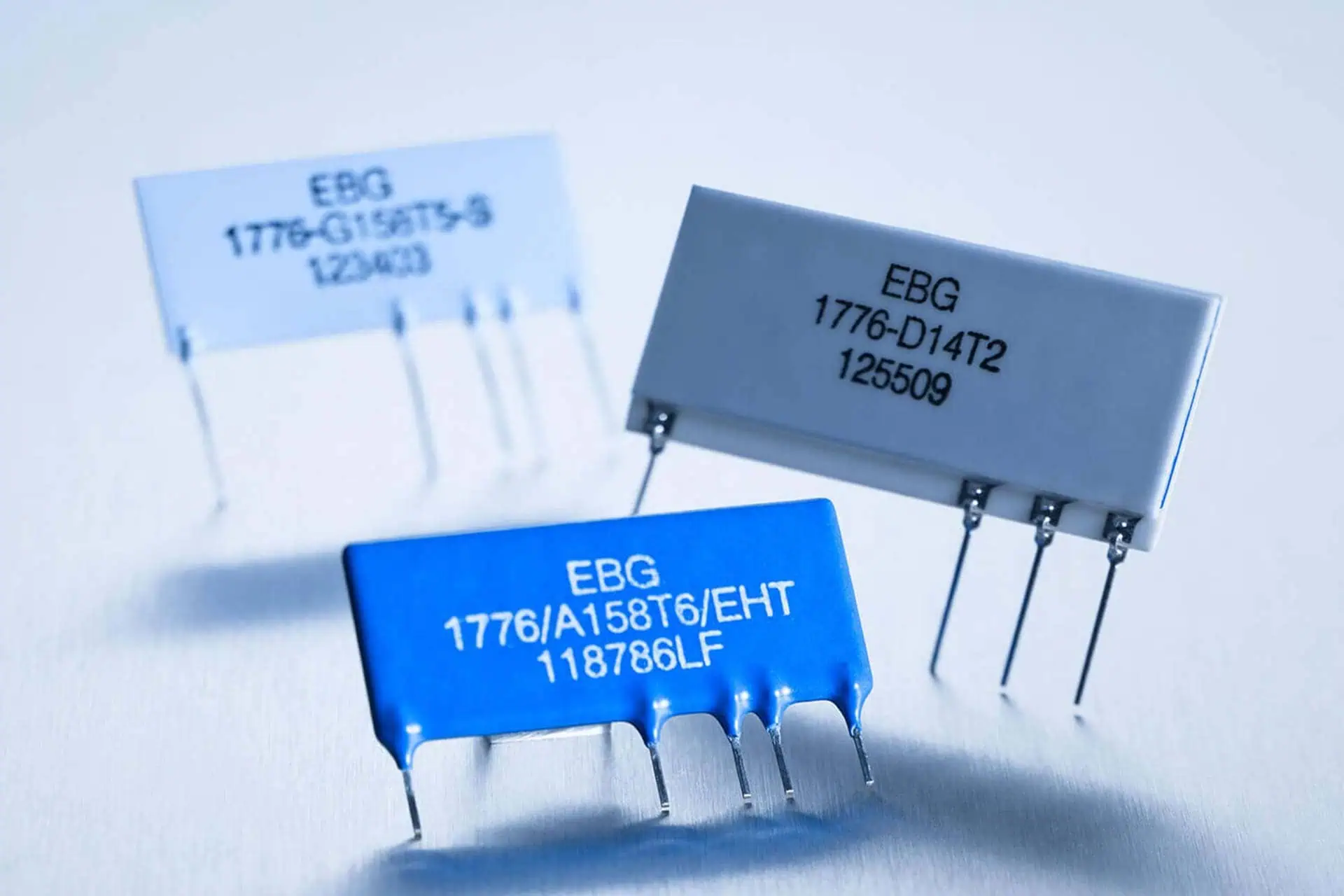
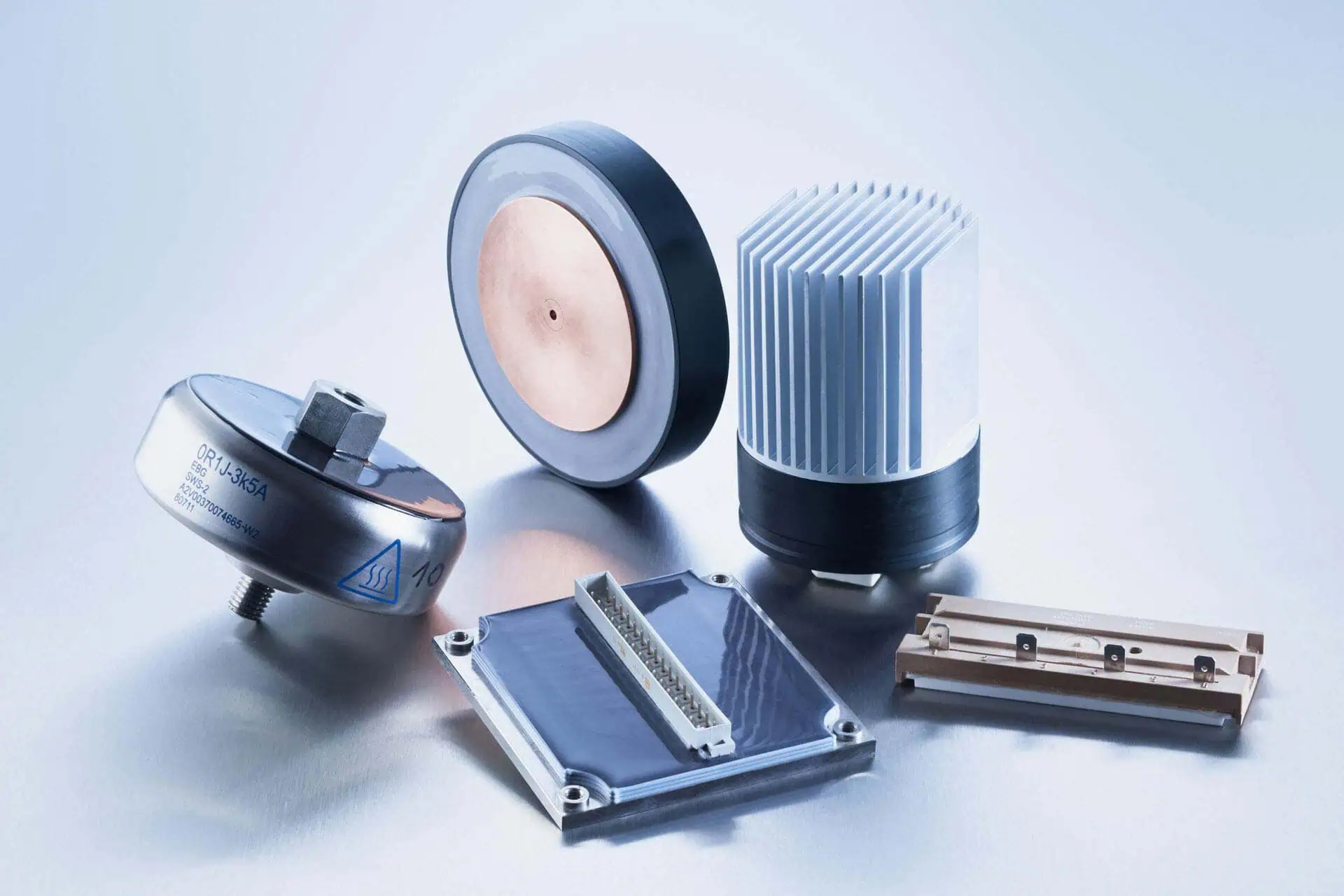
Thanks to their compact design, our low-inductance thick-film power resistors are ideal for use in confined spaces. They can support the transmission of energy generated in power plants on a direct-current basis.
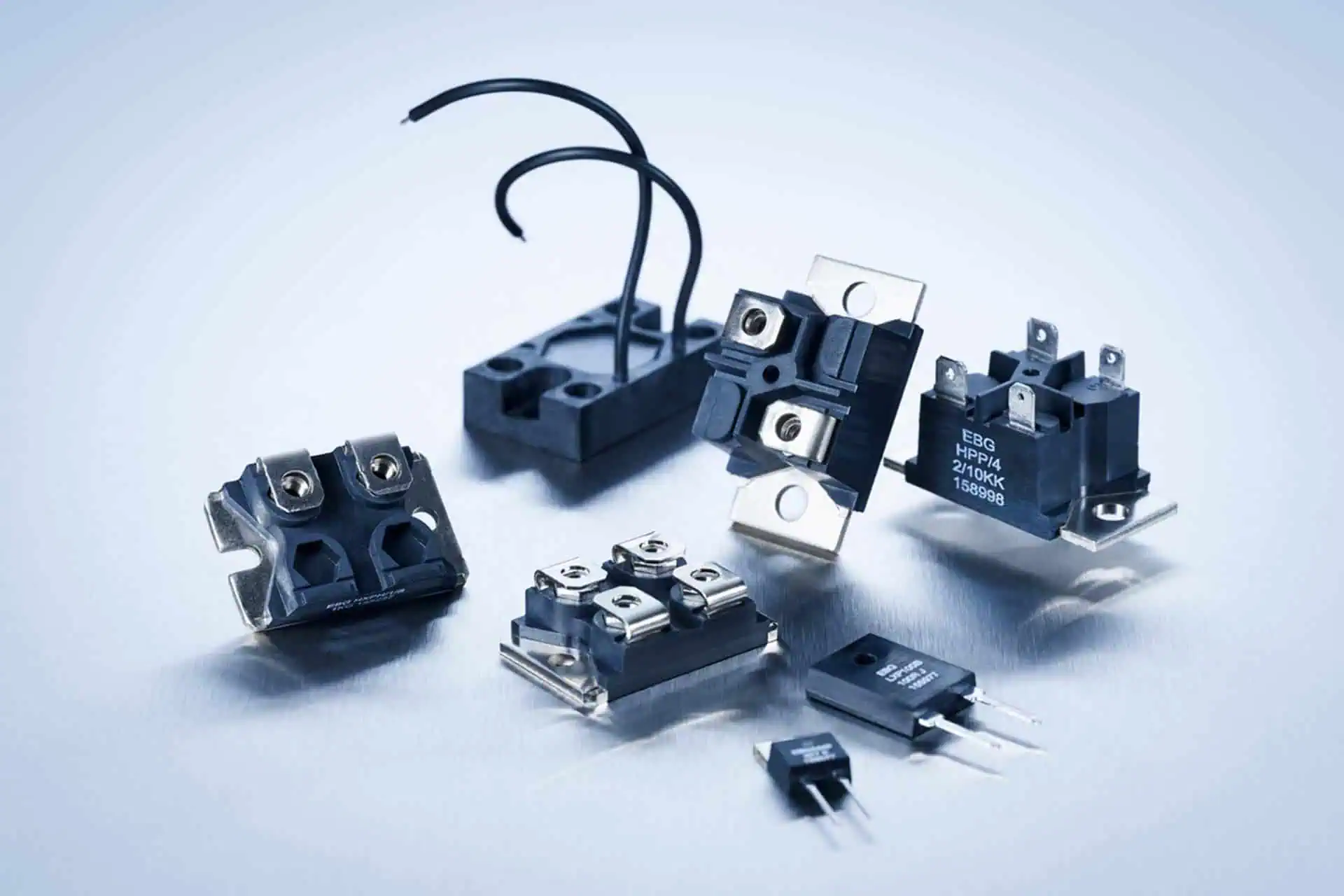
Ultra high-power resistors
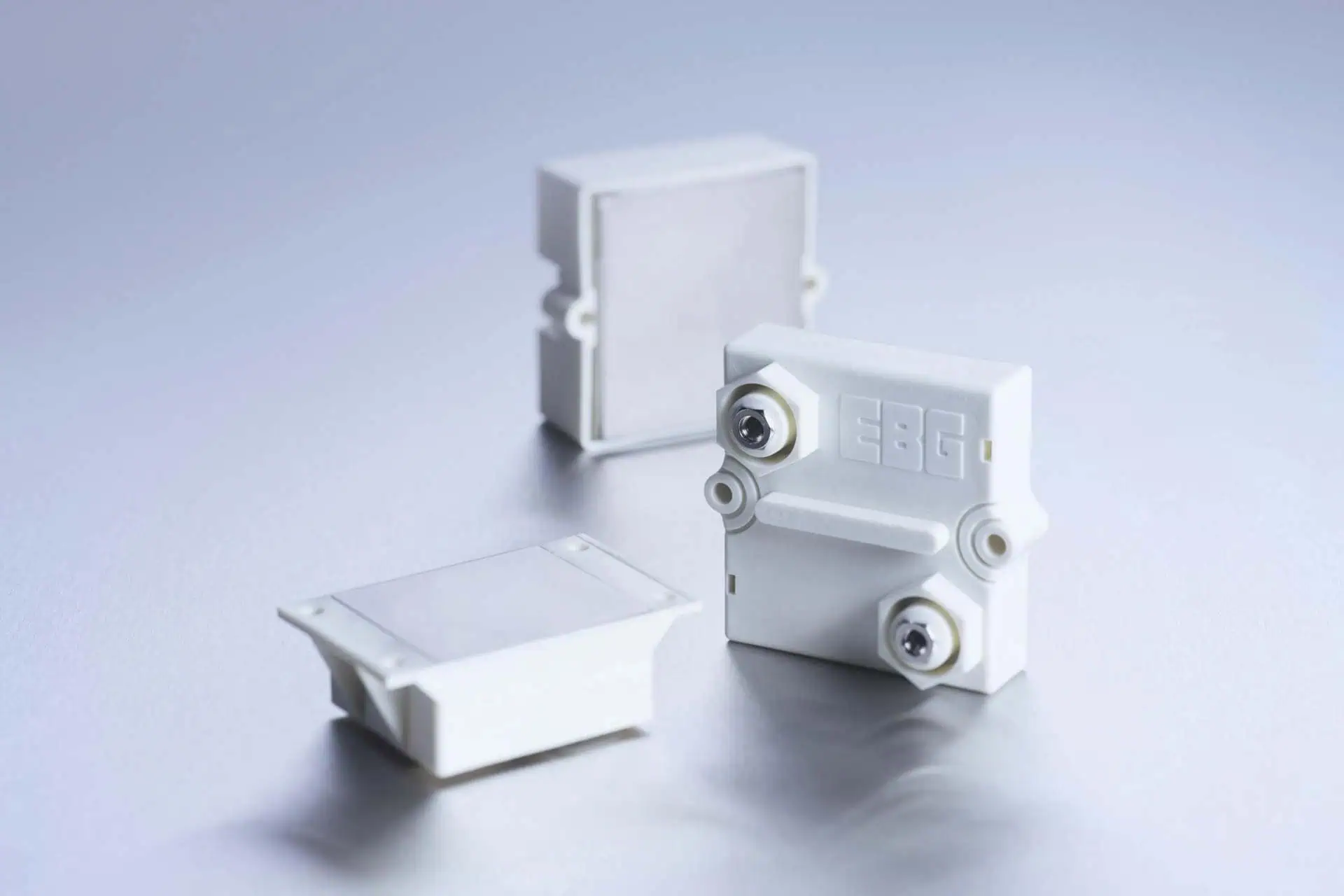
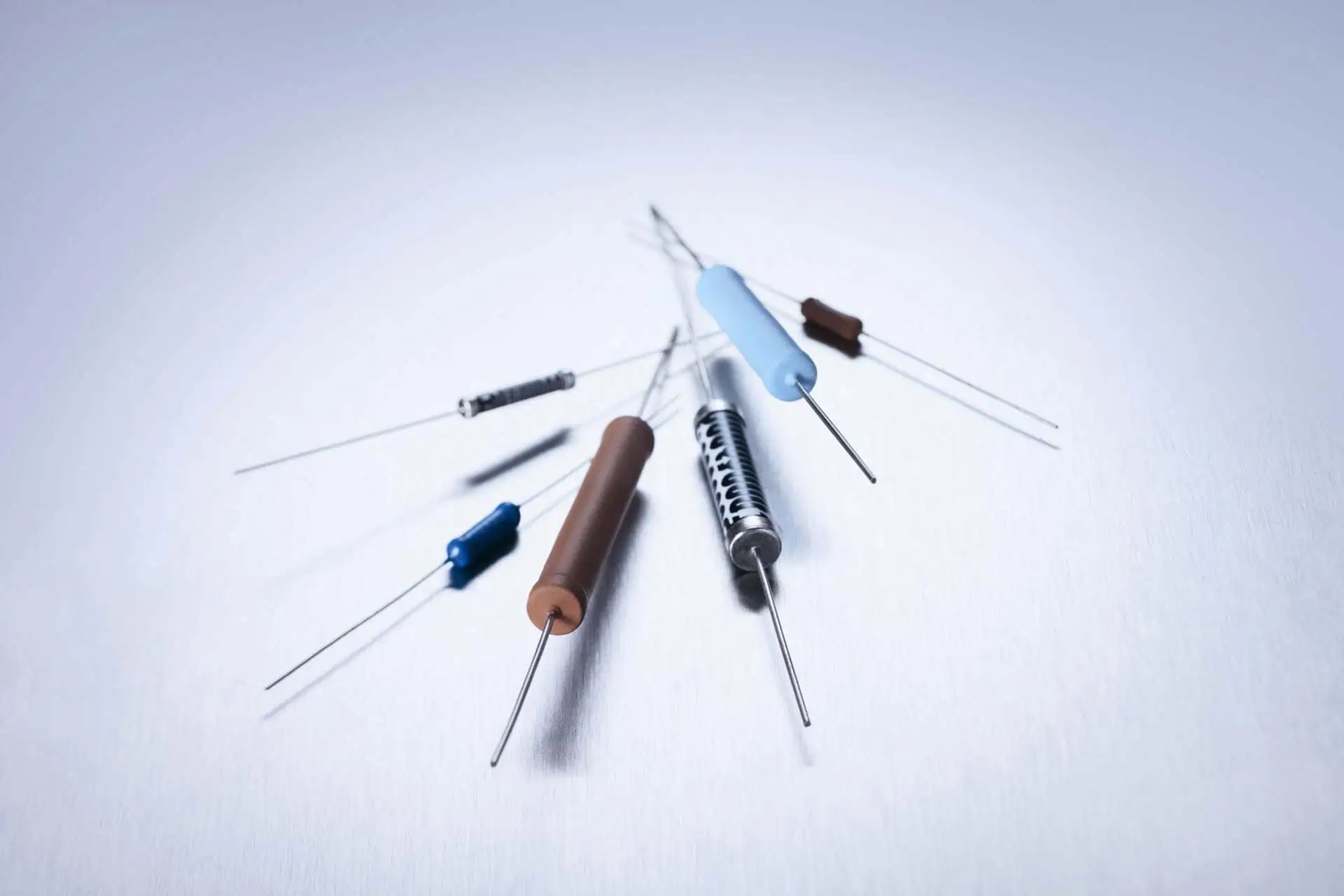
Cylindrical high-voltage resistors
High-voltage flat resistors
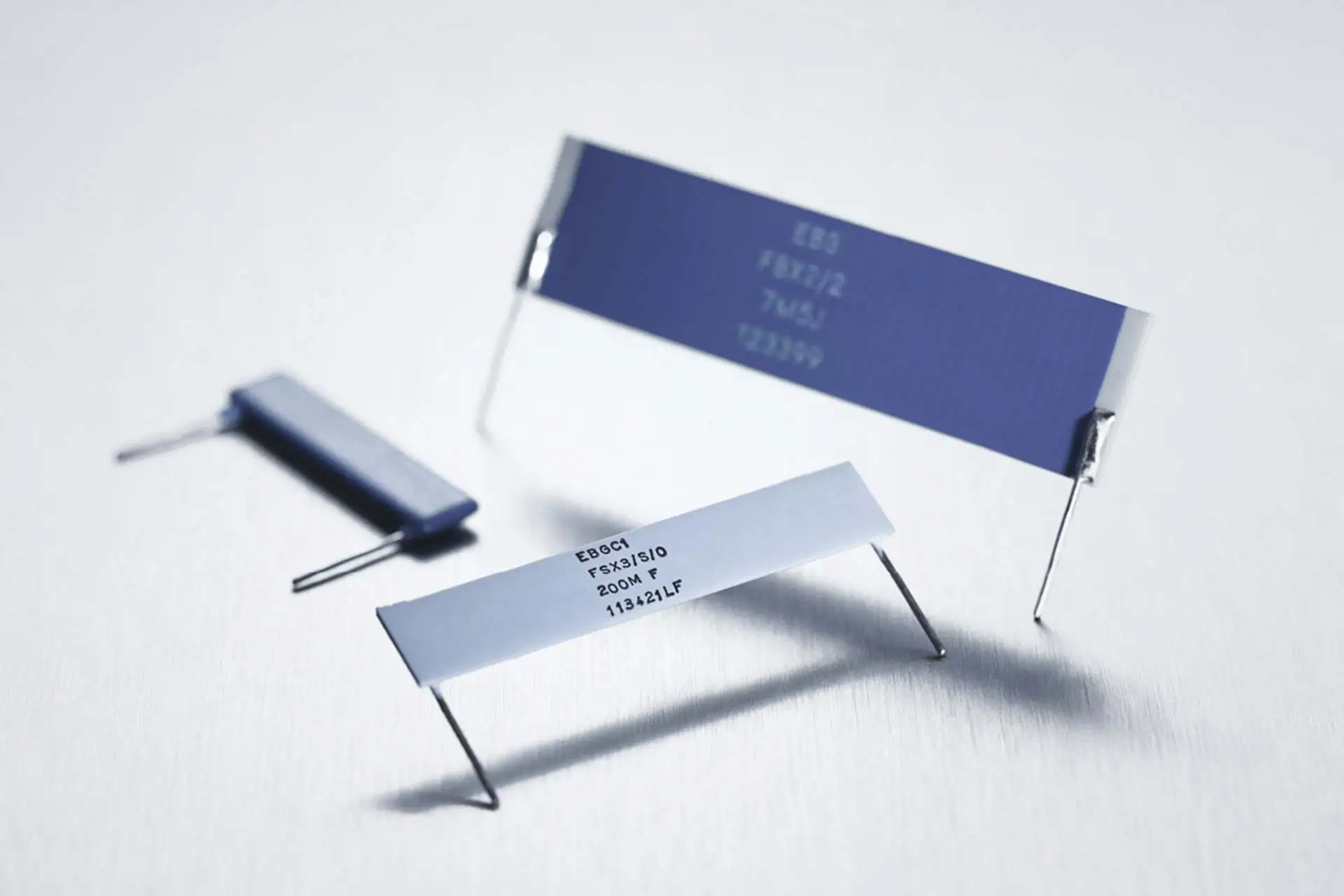
High-voltage dividers and resistor networks
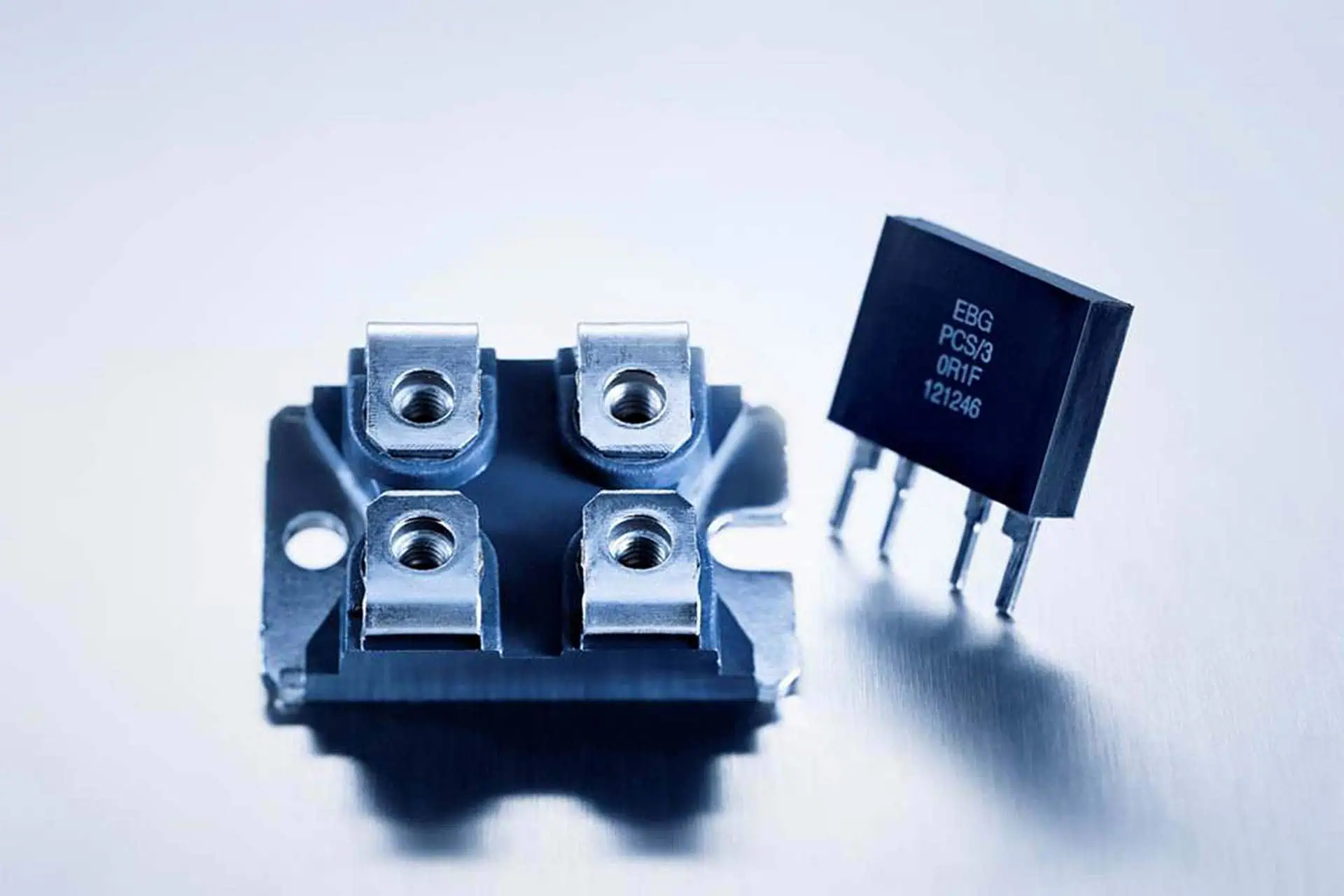
Shunts
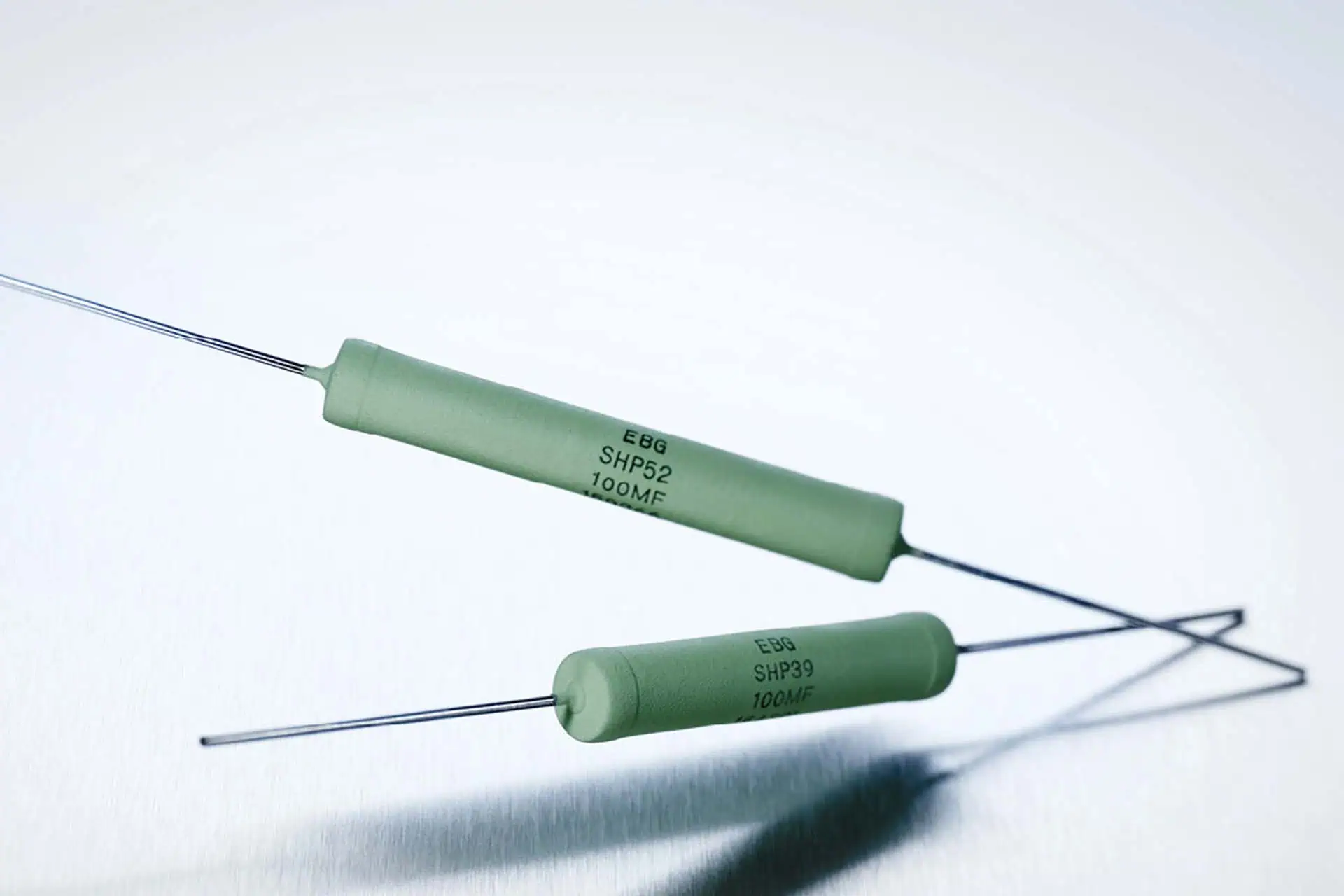
High-precision metal film resistors
Ultra high-precision resistors
These particularly stable and precise resistors are successfully used in sensitive applications such as power supplies, voltage regulation and medical devices. Future product generations with extended temperature tolerances and even higher thermal resistance are already in development.
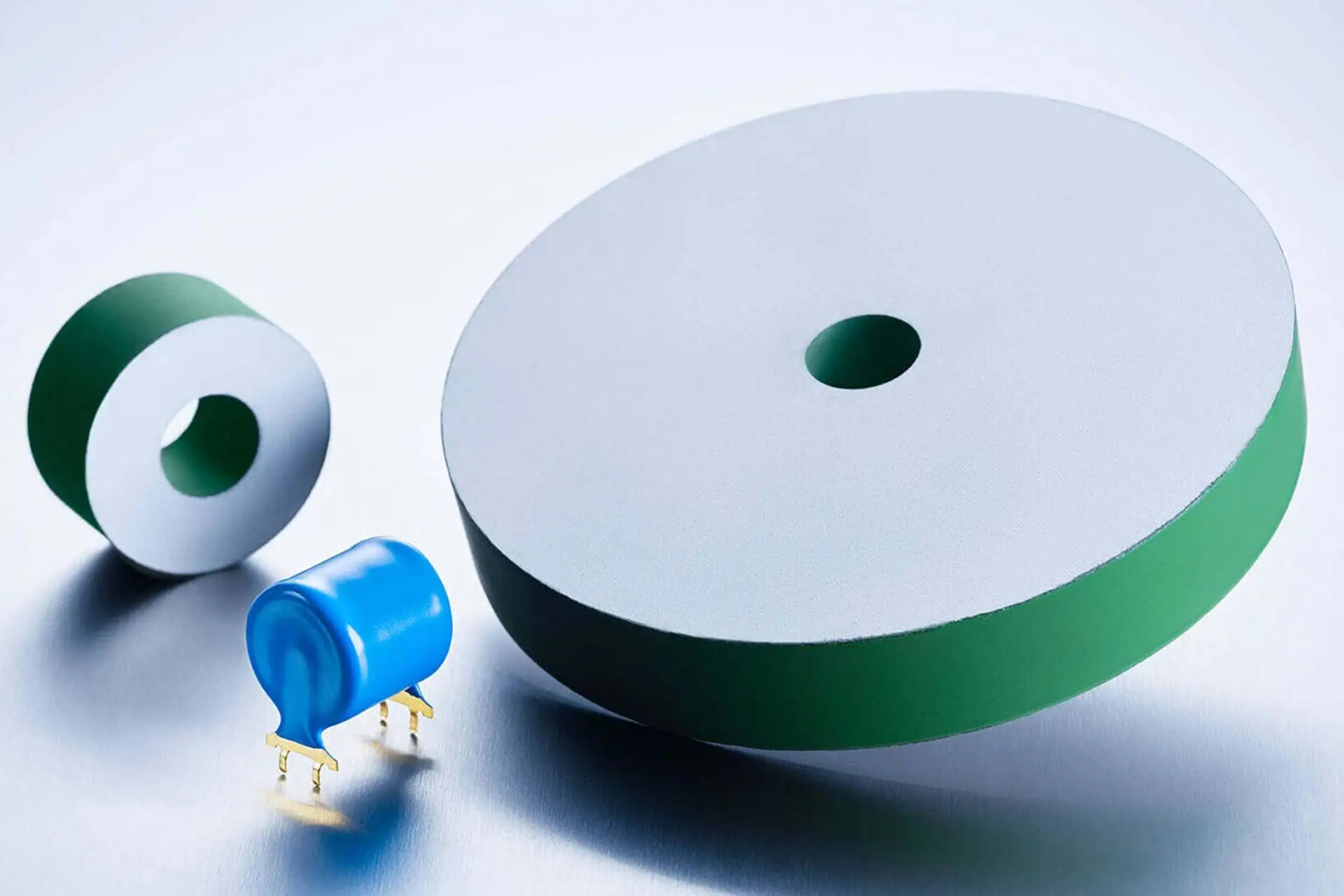
Carbon disc resistors
Custom-designed high-power and high-voltage resistors
Our strengths in resistor solutions
With resistors, it is not only the correct resistance value that matters. Power, voltage, tolerance, temperature behaviour, design, connection type, inductance and thermal integration into the specific application are equally decisive.
- Established collaboration with MIBA: access to high-quality power, high-voltage and precision resistors from MIBA.
- Technical selection: alignment of power, voltage, tolerance, design, connection type, inductance and thermal integration.
- Production-ready solutions: focus on technical suitability, quality, availability and long-term usability.
Applications
- Power electronics & drive technology: resistors for braking, load, discharge, snubber and protection applications in motor drives, converters and electric drive systems.
- Energy, smart grid & HVDC: resistor solutions for power generation, UPS systems, renewable energies, grid stability, high-voltage applications and energy storage systems.
- Rail, marine & aviation: robust resistors for demanding operating environments with high requirements for load capacity, safety and long-term stability.
- Charging infrastructure & mobility: power, measurement and protection resistors for charging infrastructure, passenger cars, buses and electrical systems.
- Medical technology & measurement equipment: precision, measurement and high-voltage resistors for applications such as X-ray, MRI, CT, test equipment and technical measurement systems.
- Power supplies & industrial processes: resistor solutions for welding, melting, lasers, power supply systems and other industrial high-power applications.
Conclusion:
Resistors must be specified precisely for each application – electrically, thermally and mechanically. The key factors are resistance value, power, voltage, pulse load, cooling, design, connection type and operating environment. etronics supports the technical clarification and procurement of suitable resistor solutions – across manufacturers and, depending on the requirements, also with selected solutions such as MIBA.
More product images
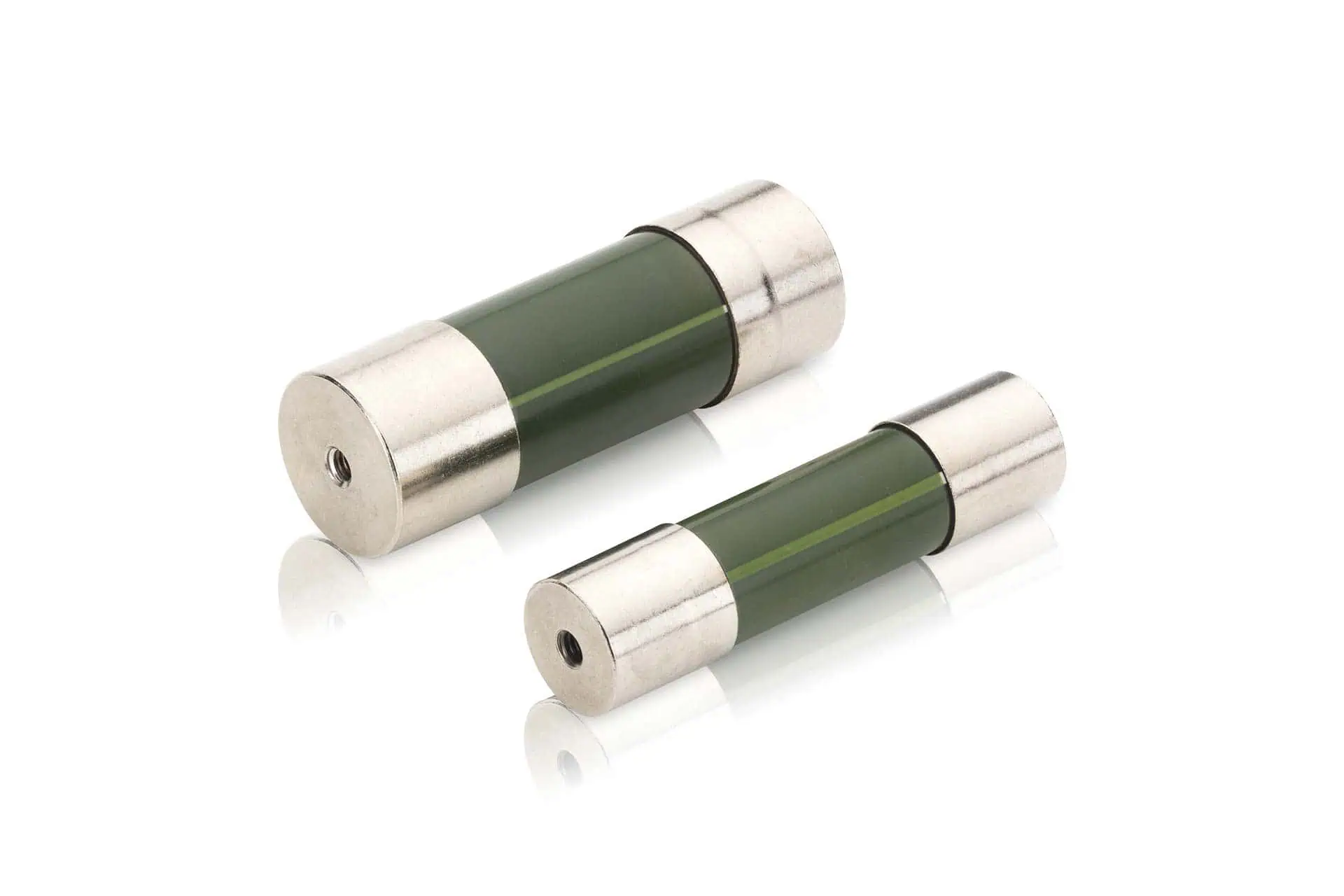
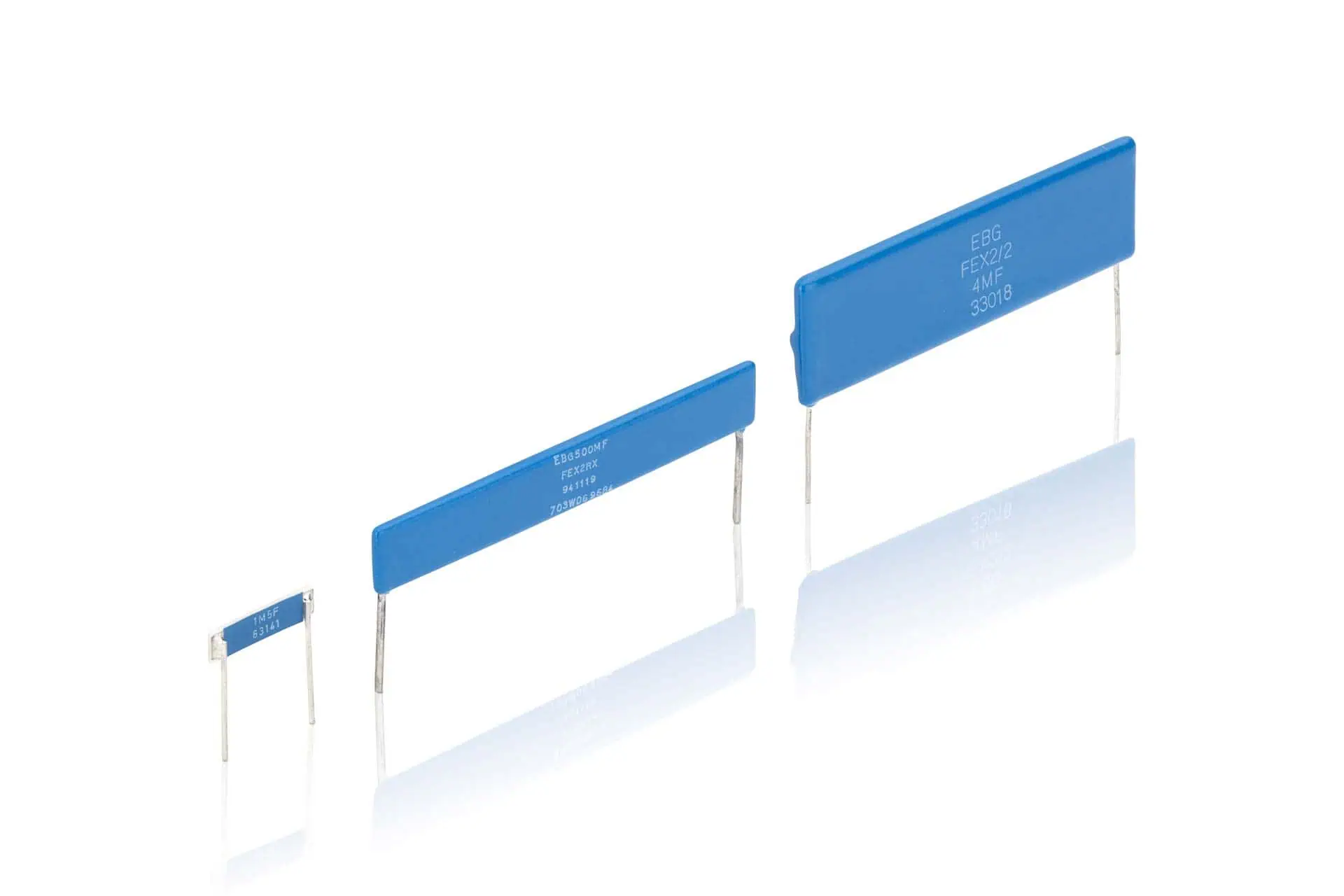
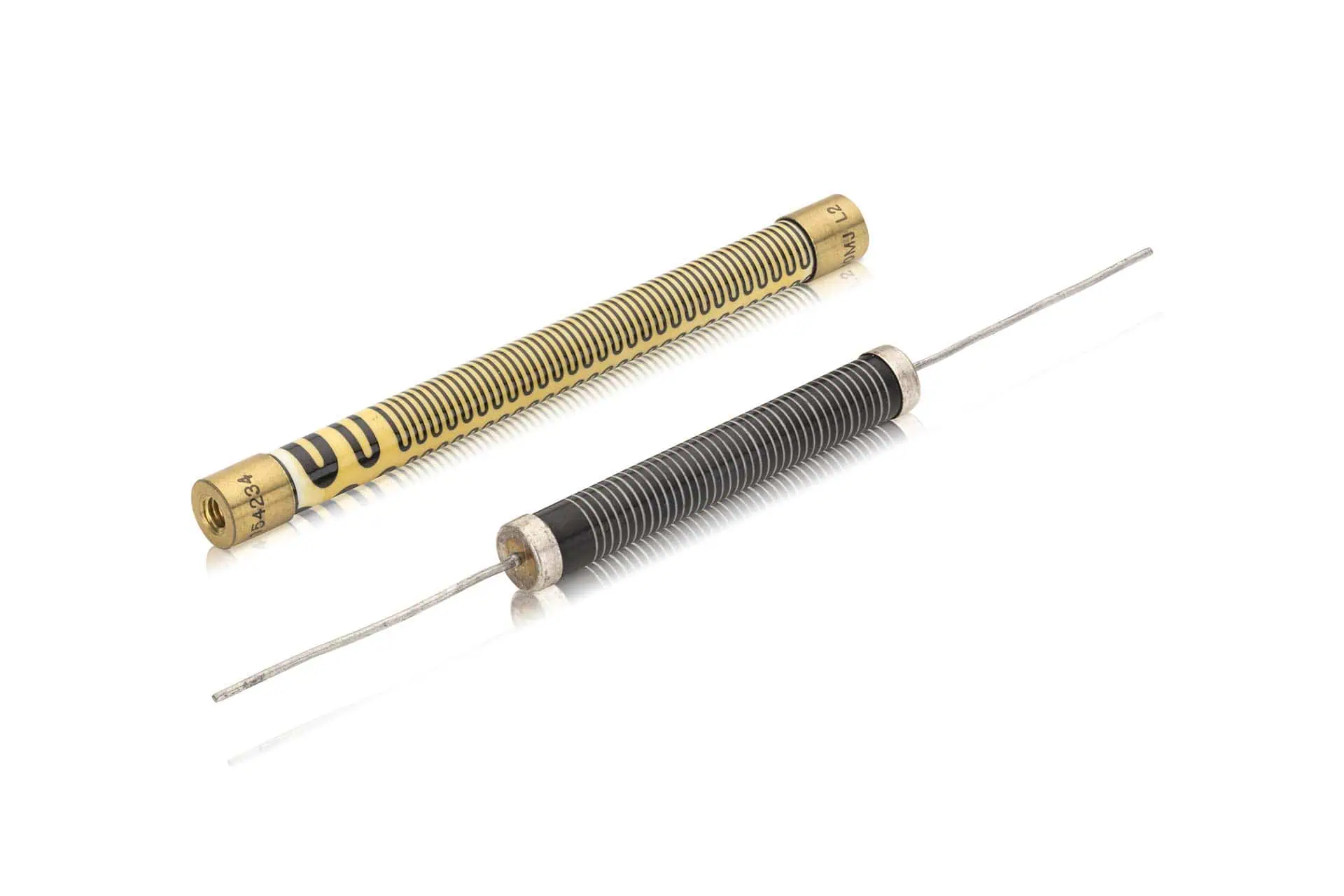
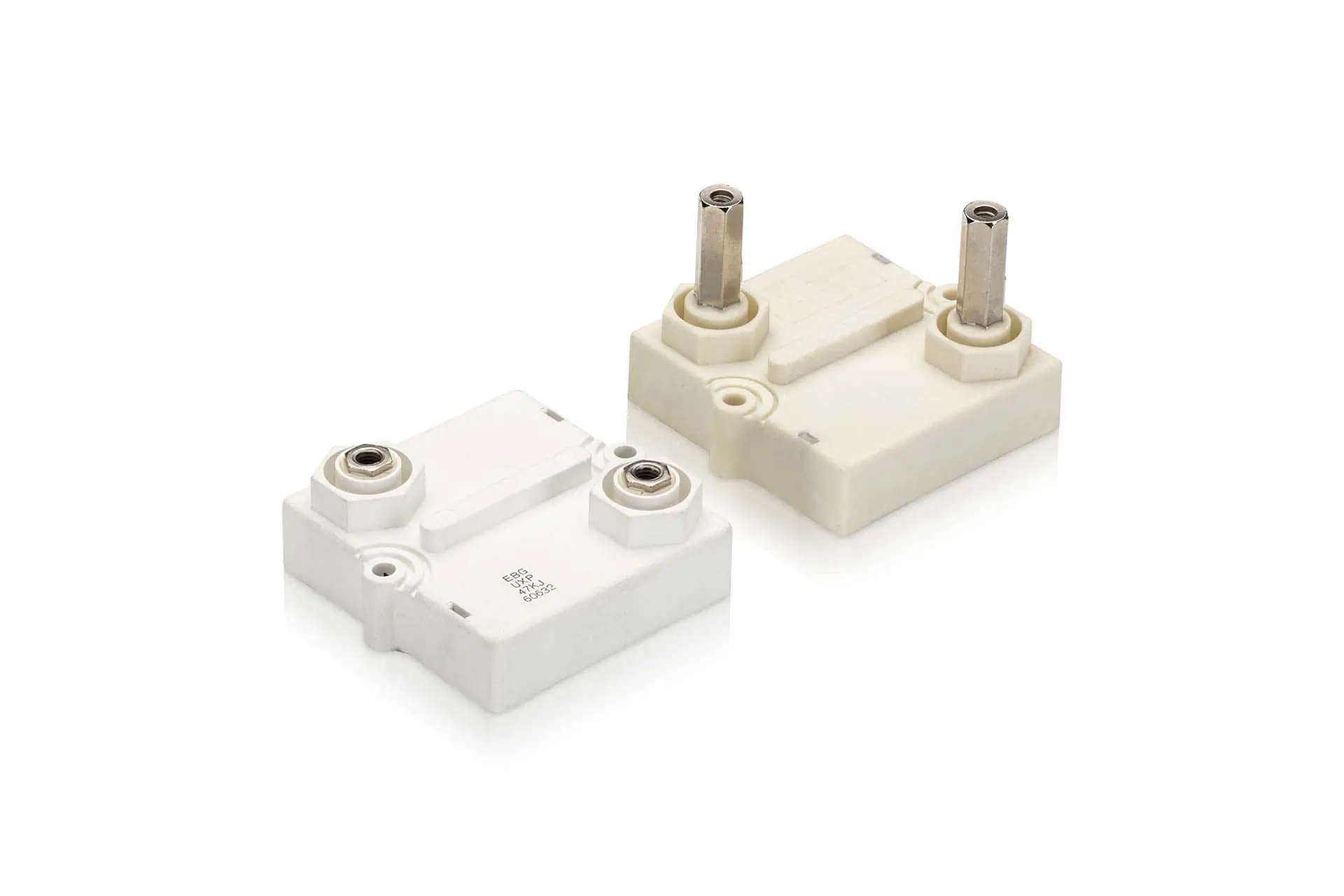
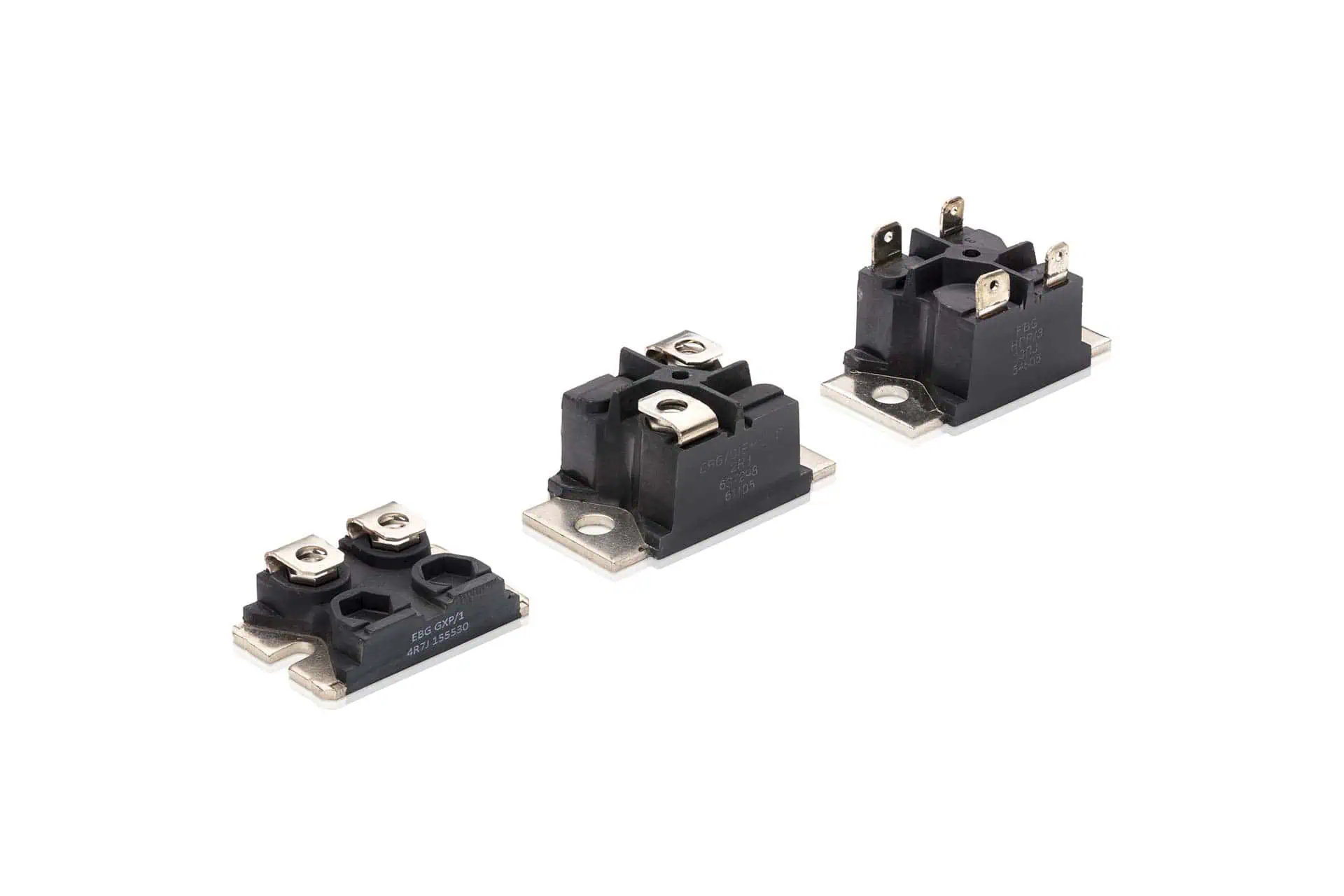
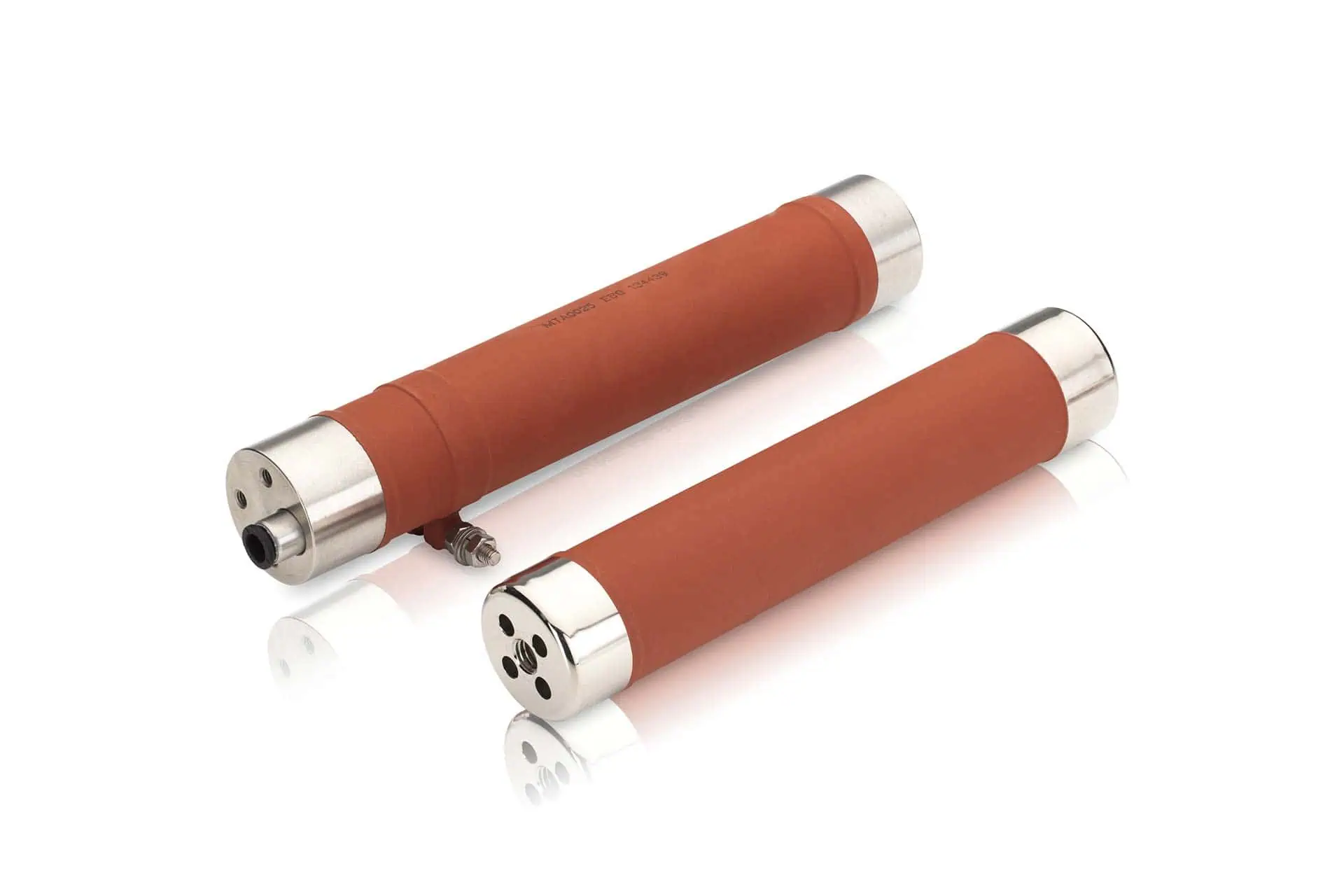
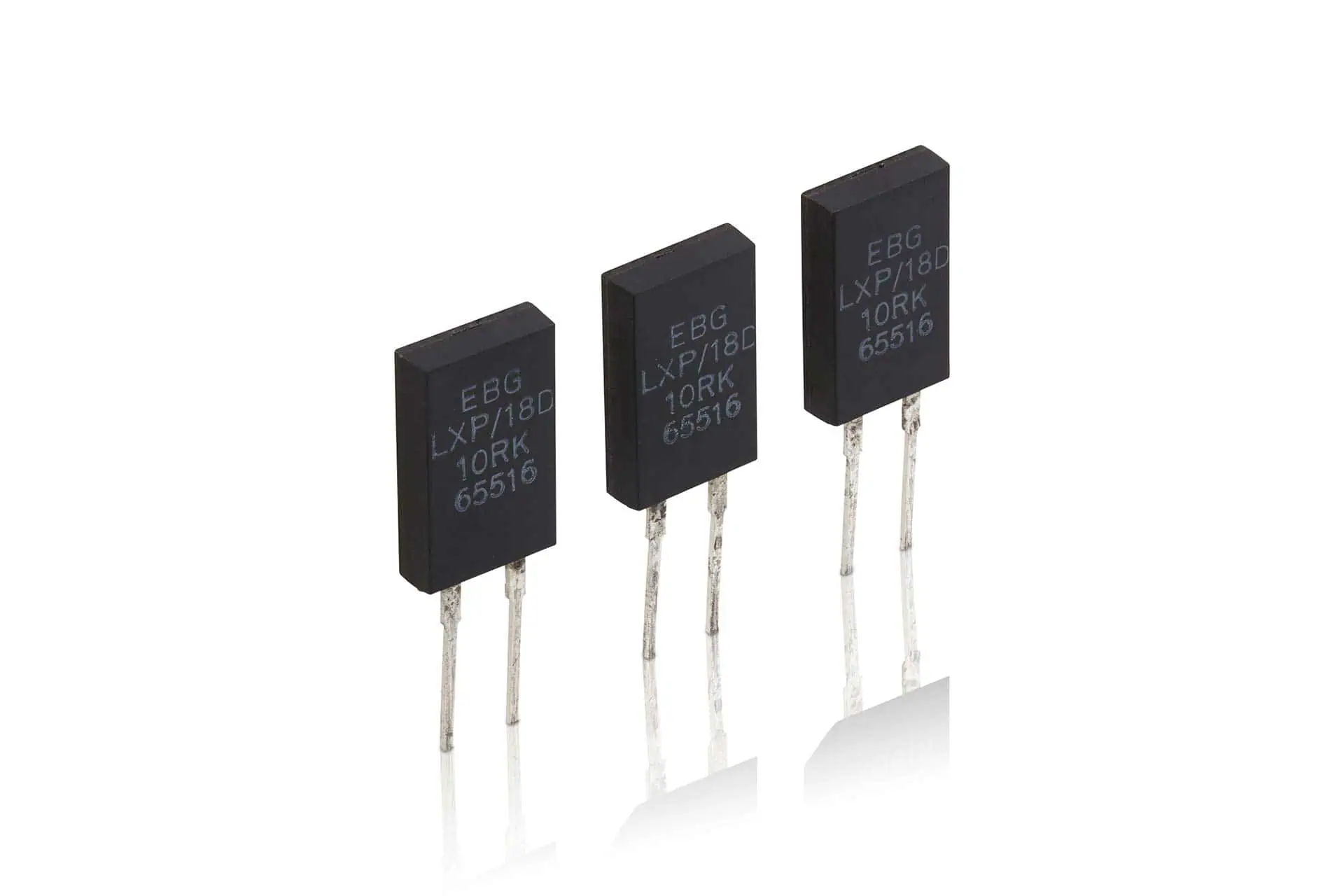
The examples shown give an impression of possible resistor designs, connection variants and technical configurations. The specific selection depends on the application, power, voltage, pulse load, thermal requirements, design and installation situation.
Send us your non-binding
product inquiry.
If you briefly provide us with the key specifications, we will check suitable resistance values, form factors, power ranges, connection types and available solutions.
- Application: braking, load, discharge, snubber, measuring or protection resistor
- Electrical data: resistance value, power, voltage, continuous current and peak current
- Pulse load: pulse energy, pulse duration, pulse shape and repetition rate
- Thermal design: cooling, derating, temperature range and installation situation
- Mechanics: form factor, size, mounting type and connection type
- Project: quantities, sample requirements, standards and desired delivery period
FAQs
What are high-power and high-voltage resistors used for?
High-power and high-voltage resistors are used, among other applications, in braking, load, discharge, snubber, precharge, measuring, protection and voltage-divider applications. The decisive factor is the appropriate design for power, voltage, current, pulse load, thermal behaviour and installation situation.
Which key specifications are important when selecting a resistor?
Important parameters include resistance value, rated power, operating voltage, insulation voltage, continuous current, peak current, temperature range, derating, form factor, connection type and environmental conditions.
What should be considered for pulse loads?
For pulse-loaded applications, pulse energy, pulse duration, pulse shape, repetition rate and overload capability must be considered. These values determine whether a resistor can safely absorb short-term loads.
What role does thermal design play?
Thermal design is critical for service life and operational safety. Relevant factors include heat dissipation, cooling, ambient temperature, derating and the specific installation situation.
Which resistor form factors are available?
Depending on the application, aluminium-housed, wirewound, ceramic, high-voltage, shunt, water-cooled or customer-specific resistor solutions may be suitable.
What is the difference between continuous current and peak current?
Continuous current describes the permissible continuous current flow. Peak current refers to short-term permissible current peaks, for example during switch-on, pulse or overload situations.
When are water-cooled resistors useful?
Derating describes the reduction in power at increasing ambient temperature. A resistor can only safely dissipate its rated power permanently under defined thermal conditions.
What does derating mean for resistors?
Water-cooled resistors are useful when high power losses must be dissipated in limited space or when air cooling is not thermally sufficient.
What does TCR mean for precision resistors?
The temperature coefficient, abbreviated TCR, describes the change in resistance value as a function of temperature. It is particularly important in measuring, control and precision applications.
Which connection types are available for resistors?
Depending on form factor and application, different connection types are possible, for example wires, screw terminals, bolts or terminals, Fast-On, Press-Pin, solder pin, SMD, through-hole, wires or various cap variants.
Which environmental and standards requirements are relevant?
Depending on the application area, temperature, humidity, vibration, shock, insulation strength, RoHS, REACH as well as IEC, UL or other industry standards may be relevant.
Can custom resistor solutions be implemented?
Yes. Depending on the project, form factor, connection type, cooling, mounting, electrical characteristics and mechanical integration can be adapted to the specific application.
What information is helpful for an enquiry?
Helpful information includes application, resistance value, power, voltage, current, pulse load, temperature range, cooling, form factor, connection type, quantities, standards and desired delivery period.
Five good reasons to choose resistors from etronics
We solve every resistor challenge for you
MIBA resistors are manufactured to customer specifications and can therefore be optimally adapted to your requirements. We also offer solutions with different coatings for special requirements such as potting.
Non-inductive design
The non-inductive design of MIBA resistors helps prevent excessive pulses during power failures or power peaks, which could damage semiconductors. This makes them especially suitable for high-frequency applications.
Outstanding quality
More and more customers require integrated resistor and cooling solutions. Since MIBA Resistors and MIBA Cooling are both part of the MIBA Group, integrated resistor and cooling solutions can also be offered.
Technology integration
More and more customers require integrated resistor and cooling solutions. Since MIBA Resistors and MIBA Cooling are both part of the MIBA Group, integrated resistor and cooling solutions can also be offered.
Practice makes perfect
MIBA has over 45 years of experience in the design and manufacture of resistor solutions. There is hardly any special solution that cannot be realised within the limits of physics.
How your requirement becomes the right resistor solution
1. Your inquiry
We clarify requirements, objectives and technical framework conditions.
2. Feasibility check & solution development
We evaluate suitable components, partners and solution approaches.
3. Customized quotation
You receive a clear recommendation with the relevant key details.
4. Project kickoff & Order placement
etronics continues to reliably support procurement, quality and delivery.
5. Prototyping & Sample production
Samples and prototypes are prepared so that function, fit and technical requirements can be verified.
6. Sample approval & Optimization
Feedback from testing and coordination is incorporated into the final design of the solution.
7. Series production & Quality assurance
After approval, production, testing and quality requirements for series delivery are coordinated.
8. Delivery & Logistics solutions
etronics reliably supports procurement, delivery and follow-up supply beyond the project itself.
Other products & solutions
Pogo pins
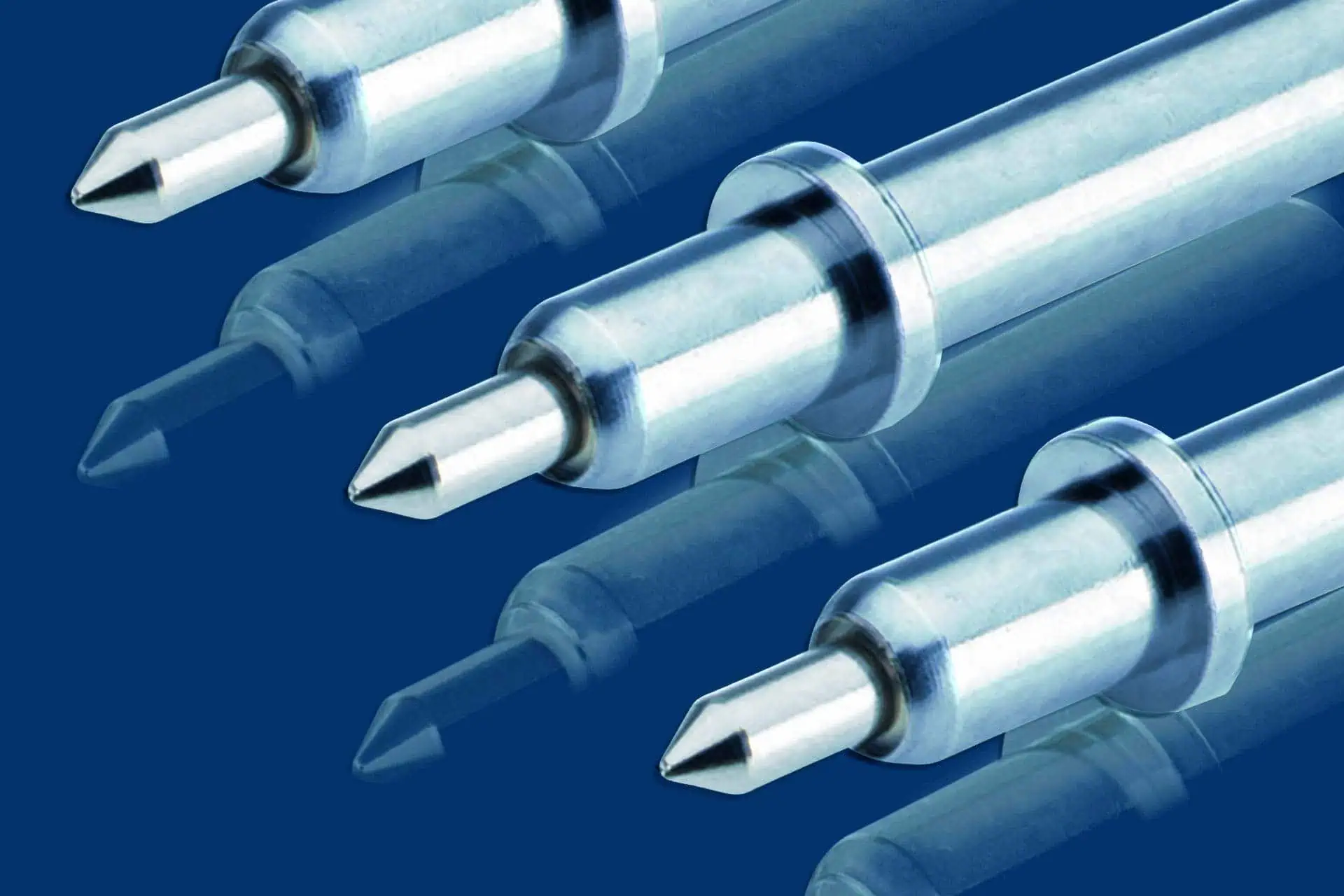
Pogo pins and spring contact pins for testing, docking and modular systems – compact, robust and repeatable.

Membrane keypads
Custom membrane keypads and front foils – robust, durable and precisely matched to your device design.

Custom Cable Assemblies
Cable assemblies for reliable connections – custom-manufactured and technically matched.

Displays
TFT, OLED and LCD displays for industrial applications – high-contrast, energy-efficient and individually customizable.

Touch Panels
Capacitive and resistive touch panels for devices and machines – precise, robust and easy to integrate.

Silicone Keypads
Silicone keypads for precise control panels and input solutions – tactile, robust, durable and customizable.

Printed Circuit Boards (PCBs)
Single- and multilayer PCBs, HDI, rigid-flex and aluminium PCBs – precisely manufactured for your application.
Crystals & Oscillators
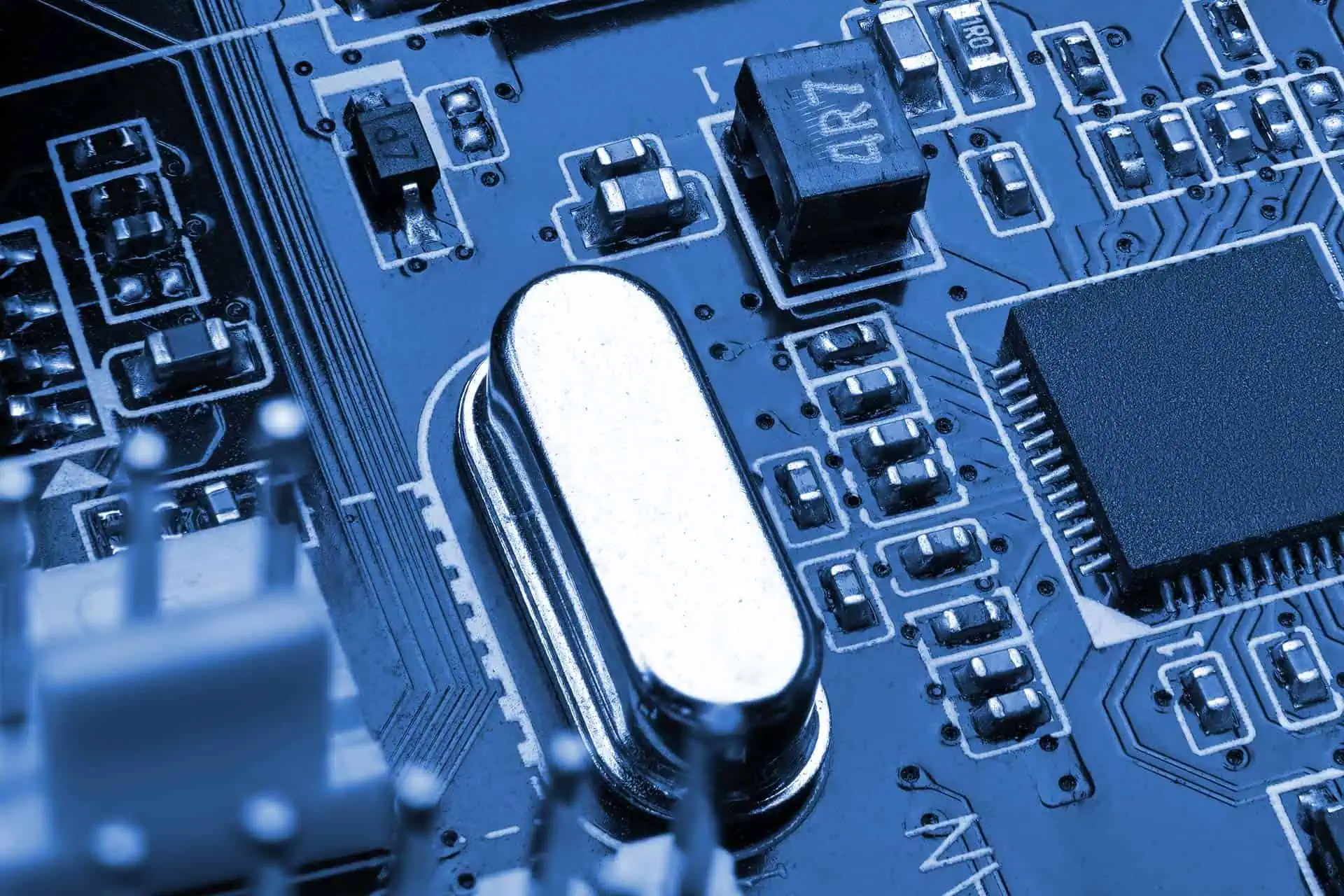
Crystals and oscillators for reliable timing – frequency-stable, compact and available long-term.

Memory Components
SRAMs, PSRAMs and low-power memory for industrial electronics, embedded systems and long-life applications.

Cooling Solutions
Thermally optimized cooling solutions for electronics – from heat sinks and heat pipes to air and liquid cooling.