
Membrane keypads, front overlays and customised control elements combine function, design and protection in a compact solution. etronics supports you in selecting, specifying and sourcing suitable keypad and front overlay solutions – matched to the application, environment and device design.

Membrane keypads: benefits for your application
Membrane keypads are suitable wherever user interfaces need to be flat, robust, durable and individually designed. What matters is not only the layout and design, but also the material, embossing, tactile feedback, protection rating, adhesive technology and integration into the respective device or housing.
Your benefits:
- Customised design: layout, colours, symbols, front overlay and control elements matched to the device
- Robust surface: resistant to use, cleaning, moisture and mechanical stress
- Reliable operation: with tactile feedback, embossing, short-travel keys or capacitive control fields
- Flexible integration: with cut-outs, windows, LEDs, display areas, adhesive surfaces and connection tails
- Material and design variety: matched to environment, service life, haptics and technical requirements
- Procurement support: from sample phase and specification to a series-ready solution
What matters in membrane keypad applications
Whether control panel, device front, machine control or medical panel: membrane keypads must match the application, installation situation and required control logic. What matters is not only layout and design, but also layer structure, material, haptics, connection type, protection rating, service life and integration into the respective device.
Membrane keypads, front overlays and customised control solutions
Many applications do not require a standard keypad, but an individually designed user interface: with printed front overlay, tactile feedback, windows for displays or LEDs, flexible connections, adhesive layers and materials matched to the environment. etronics helps clarify these requirements early and turn them into a reliable, available solution.
Typical requirements that should be clarified early:
- Structure and haptics: flat, tactile, with metal dome, polydome or silicone overlay
- Design and surface: colours, symbols, logo, windows, display areas and surface finish
- Material and protection: PET, PC, silicone, adhesive layers, sealing, IP protection and cleaning resistance
- Electrical properties: contact resistance, insulation resistance, switching voltage, EMC and shielding
- Integration: FFC/FPC, ZIF connector, crimp, pin header, tail design and connection to PCB or housing
- Series production and quality: service life, tests, compliance, sample phase and production volume
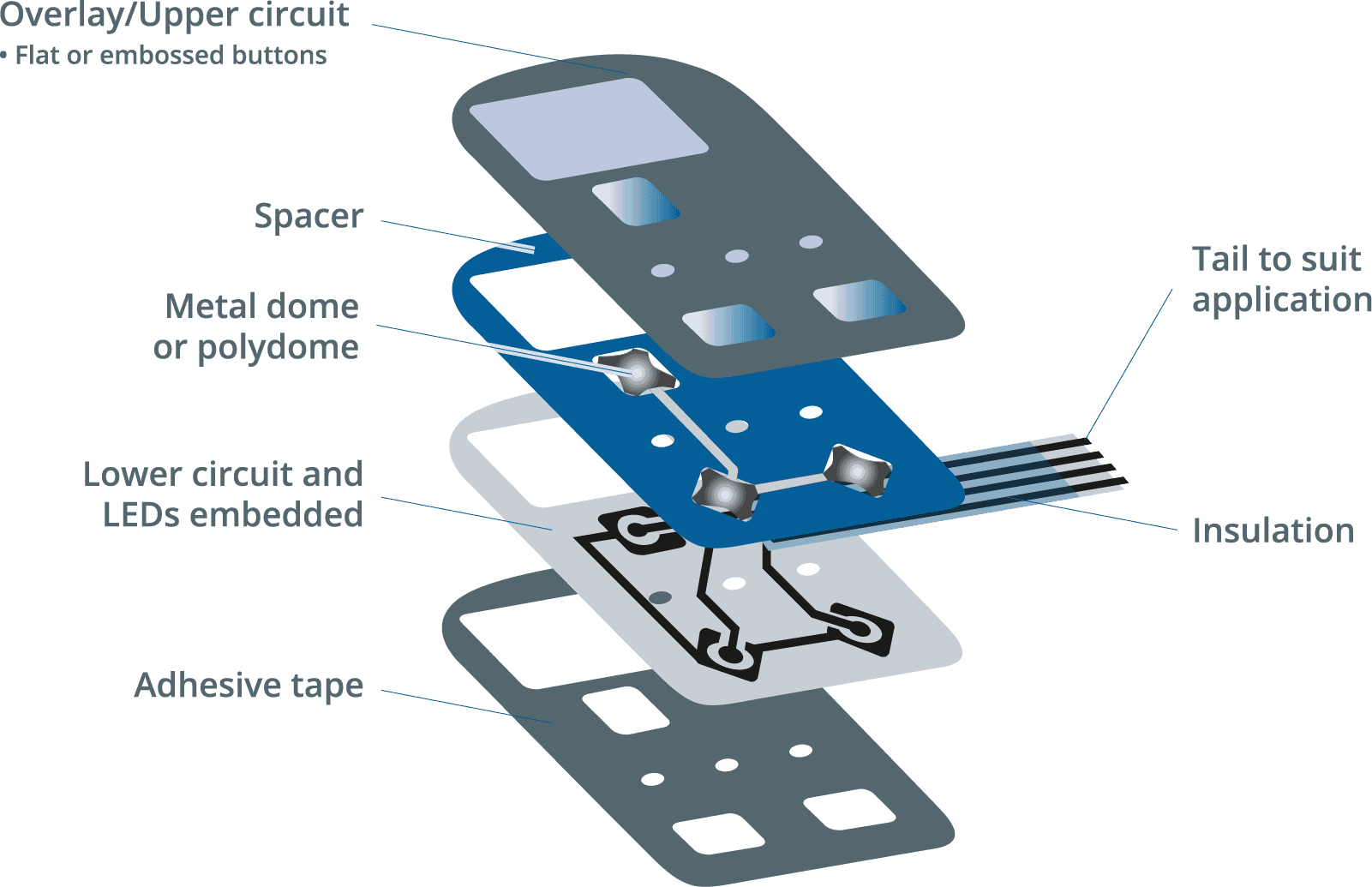

Which membrane keypad is right for your application?
The right membrane keypad depends on the control concept, environment, haptics, design, connection type and required service life. The following overview helps with initial classification.
Flat membrane keypads
Flat user interfaces for devices, panels and low-profile applications.
Layer structure, overall height, material, adhesive technology and integration into the housing or front panel.
Tactile membrane keypads
Control panels where a noticeable switching feel and clear feedback are required.
Metal domes, polydomes, actuation force, stroke, snap ratio and key service life.
Front overlays & graphic overlays
Custom device fronts with symbols, logos, functional areas and display elements.
Printing process, colours, windows, display areas, surface finish and branding.
Backlit membrane keypads
User interfaces with illuminated symbols, status indicators or use in low-light conditions.
LED, EL foil, light guide, light distribution, brightness and selective light transmission.
Integrated user interface solutions
Membrane keypads with connection tails, PCBs, displays, LEDs or housing integration.
FFC/FPC, ZIF connector, crimp, pin header, tail design, contacting and system integration.
Protected user interfaces
Control panels for industry, medical technology, cleaning, outdoor or hygienic environments.
IP protection, sealing, temperature range, chemical resistance, UV protection and wear.
Technical selection criteria in detail
For the specific specification of a membrane keypad, mechanical, electrical, design and manufacturing criteria should be considered together. This helps reliably ensure operating feel, protection, service life, integration and series suitability.
Mechanics / Structure
- Construction type
- Flat, tactile with metal dome or hybrid structure with silicone overlay.
- Layer structure
- PET, PC, silicone, aluminium and multilayer structures with spacer and adhesive layers.
- Overall height
- Relevant for particularly flat or more robust designs – depending on structure and material.
- Flexibility
- Rigid or flexible, e.g. for flat or curved user interfaces.
- Service life
- Typically 1–10 million actuations, depending on dome technology and design.
Operating feel / Haptics
- Tactile feedback
- With or without click, e.g. via metal domes or polydomes.
- Key embossing
- Tactile contour in the surface for better orientation, haptics and usability.
- Actuation force
- Typically 100–500 g – affects operating comfort and feedback.
- Stroke / Travel
- Short key travel, typically approx. 0.1–0.5 mm.
- Feedback characteristics
- Snap ratio as the relationship between actuation force and return force.
Electrical properties
- Contact resistance
- Typically <100 Ω – important for reliable signal transmission.
- Insulation resistance
- High insulation, e.g. >100 MΩ, to prevent unwanted false contacts.
- Switching voltage / current
- Usually in the low-voltage range, e.g. <50 V and <100 mA.
- EMC / Shielding
- Optional shielding layers against interference and for stable electrical function.
Integration / Connection
- Connection type
- Flex cable, FFC/FPC, ZIF connector, crimp or pin header.
- Contacting
- Carbon pills, silver conductive paste or gold-plated contacts – depending on technical requirements.
- Tail design
- Length, pitch and reinforcement with stiffeners for secure integration.
- System integration
- Combination with PCBs, displays, housings or other operating elements.
Manufacturing / Customisation
- Customisation
- Fully customised layouts, shapes, colours, symbols and connection variants.
- Prototyping
- Sample production before series production to test function, haptics and integration.
- Production volume
- Suitable for small series through to large-scale production – depending on structure and project requirements.
- Tooling costs
- In many cases lower than with mechanical keyboards.
Design / User interface
- Graphic overlay
- Printed front foil using screen printing or digital printing.
- Windows / Displays
- Transparent or tinted areas for LEDs, LCDs or display elements.
- Colours / Branding
- Customised design with colours, logos, icons and functional areas.
- Surface finish
- Matt, glossy, textured or anti-glare – depending on application and operating environment.
Environment / Protection
- Protection rating
- IP65 to IP67 possible – for dust- and water-protected user interfaces.
- Temperature range
- Typically −20 °C to +70/80 °C, extendable depending on material and design.
- Chemical resistance
- Resistance to cleaning agents, solvents or industrial environments.
- UV resistance
- Relevant for outdoor applications or user interfaces exposed to light.
Standards / Quality
- Quality standards
- Depending on the application, e.g. ISO 9001, ISO 13485 or IATF 16949 may be relevant.
- Tests
- Service life, environmental and electrical tests to verify function.
- Compliance
- RoHS, REACH and further requirements depending on application area and market.
Lighting
- Backlighting
- LED, EL foil or light guides, e.g. light guide film / LGF.
- Light distribution
- Uniformity and brightness for symbols, text or functional areas.
- Light transmission
- Selective transmission for illuminated symbols, labels or display zones.
Reliability
- Sealing
- Sealed constructions protect against moisture and contamination.
- Vibration resistance
- Suitable for industrial applications and mechanically stressed environments.
- Ageing / Wear
- Long-term material resistance for durable user interfaces.
Typical applications
- Application areas
- Medical technology, industrial panels, household appliances, automotive HMI and technical devices.
- Operating conditions
- Indoor and outdoor areas, hygienic environments or applications requiring intensive cleaning.
Membrane keypads, front overlays and control elements
Depending on the application, membrane keypads can be designed in very different ways – as flat keypads, tactile control surfaces, pure front overlays, illuminated control fields or integrated complete solutions with connection, display windows and additional electronics. The key point is that structure, haptics, design and technical integration match the respective application.
Variety of materials and surfaces
The choice of material is crucial for the appearance, haptics, durability and integration of the user interface. Depending on the application, different film, carrier and surface materials are used – from flexible front overlays to robust front panels or elastic control elements.
- Polyester (matt / gloss) for durable, flexible and printable front overlays
- Polycarbonate for graphic overlays, transparent areas and high-quality control surfaces
- PVC for flexible control, labelling and cover solutions
- Aluminium for stable, high-quality front panels and carrier solutions
- Sheet steel and stainless steel for robust, mechanically stressed or cleaning-intensive applications
- Silicone rubber for elastic, tactile and resistant control elements
- Surface finish: matt, glossy, textured or anti-glare – depending on design, operating environment and cleaning requirements
Flat and tactile membrane keypads
Membrane keypads can be designed as flat user interfaces or with tactile feedback. Depending on the design, metal domes, polydomes or embossed key areas can be used. Key embossing creates a tactile contour in the surface and improves orientation, tactile feedback and ease of use.
- Flat or tactile design depending on the application
- Metal dome or polydome for defined feedback
- Key embossing as a tangible contour in the surface
- Defined actuation force, travel and feedback
- Durable solution for frequently used control panels
Front overlays and graphic overlays
Front overlays define the appearance, user guidance and protection of the user interface. Colours, symbols, logos, display windows and functional areas can be individually designed and matched to the device design.
- Customised layout with colours, symbols and branding
- Fenster und transparente Bereiche für Displays oder LEDs
- matt, glossy, textured or anti-glare surfaces
Illumination and display elements
Membrane keypads can be equipped with LEDs, EL foils or light guides. This allows symbols, status indicators, functional areas or display zones to be made selectively visible.
- Backlighting using LEDs, EL foils or light guides
- transparent or tinted windows for display elements
- uniform light distribution and selective light transmission
Connection and system integration
Membrane keypads are often integrated directly into devices, housings, front panels or electronic assemblies. Depending on the application, flex cables, FFC/FPC, ZIF connectors, crimp connections or pin headers may be used.
- Connection via flex cable, FFC/FPC, ZIF, crimp or pin header
- Integration with PCB, display, LEDs or housing
- Tail design, pitch and stiffener matched to the installation situation
Protection, quality and series suitability
For industrial, medical or cleaning-intensive applications, membrane keypads must be reliably protected and designed for long service life. Sealing, material resistance, electrical properties and a clean sample phase are decisive.
- Protection ratings up to IP65 or IP67 possible
- Resistance to moisture, cleaning, UV exposure and wear
- Samples, tests and specification as the basis for series production
Complete Solutions
We take on the role of a project lead with engineering expertise and ensure the transition between design, development and production. Throughout the entire development and production process, we focus on the quality and cost-effectiveness of your end product.
Auf Wunsch integrieren wir Ihre Folientastatur auch…
…with a suitable housing.
…with mechanical components such as carrier plates, protective covers or covers.
…with electronic components such as printed circuit boards, connection cables or displays.
…as a complete assembly
Medical and Industrial development projects
Especially for medical products, but also in food production, for example, special requirements apply with regard to safety and hygiene. For this reason, our partners not only hold the necessary ISO 9001 and ISO 13485 certificates for medical technology, but have also developed special solutions, such as an antibacterial layer that protects the surface against germs. In particular, we support our customers with…
…material selection.
…haptic and visual properties.
…definition of the actuation force.
…replacement of existing input solutions.
…surface protection and extension of service life.
…electronic interfaces and system requirements.
…design measures to optimise the overall system.
Our many years of experience are reflected in the quality and service life of the end product.
Our strengths in membrane keypads and front overlays
With membrane keypads, it is not only the visible design that matters, but the interaction of structure, haptics, material, connection, protection requirements and reliable integration into the device.
- User interfaces according to application: we take layout, key function, user guidance, haptics, design and installation situation into account as early as the technical clarification stage.
- Material and construction expertise: front overlay, layer structure, adhesive technology, spacers, embossing, metal domes, illumination and connection type are matched to the application.
- Robust solutions for demanding environments: protection rating, cleaning, moisture, UV exposure, wear and chemical resistance can be incorporated into the specification at an early stage.
- From sample phase to series production: we support specification, prototypes, technical feedback, design coordination and procurement of series-ready membrane keypad and front overlay solutions.
Applications
- Industrial panels and machine operation: robust membrane keypads and front overlays for control panels, controls, machines and technical systems.
- Medical technology: hygienic, cleaning-resistant user interfaces for medical devices, diagnostic systems and technical panels.
- Measurement and testing technology: durable input solutions for laboratory devices, test stations, measuring systems and devices with clear user guidance.
- Device construction and electronics development: customised user interfaces with front overlay, key areas, windows, connection tails and optional integration of further components.
- Outdoor and cleaning-intensive applications: protected user interfaces with suitable materials, sealing concepts and resistant surfaces.
- Household appliances and technical consumer goods: flat, individually designed control panels with clear haptics, branding and durable surface.
Conclusion:
Membrane keypads and front overlays combine operation, design and protection in a compact solution. Depending on the application, haptics, material, surface, connection, protection rating and service life are decisive. etronics supports you in selecting and specifying suitable control solutions – from the idea to the series-ready implementation.
More product images
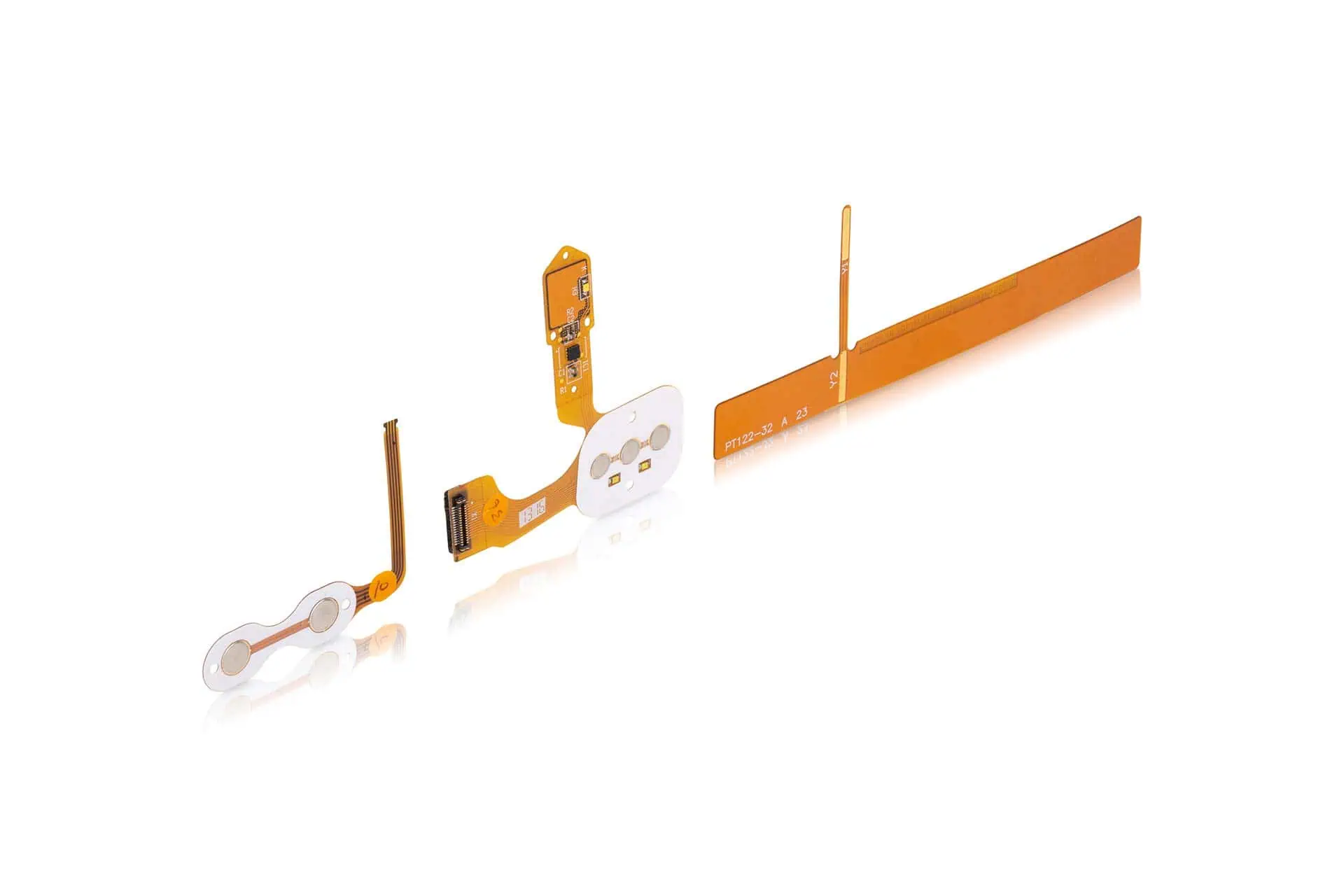
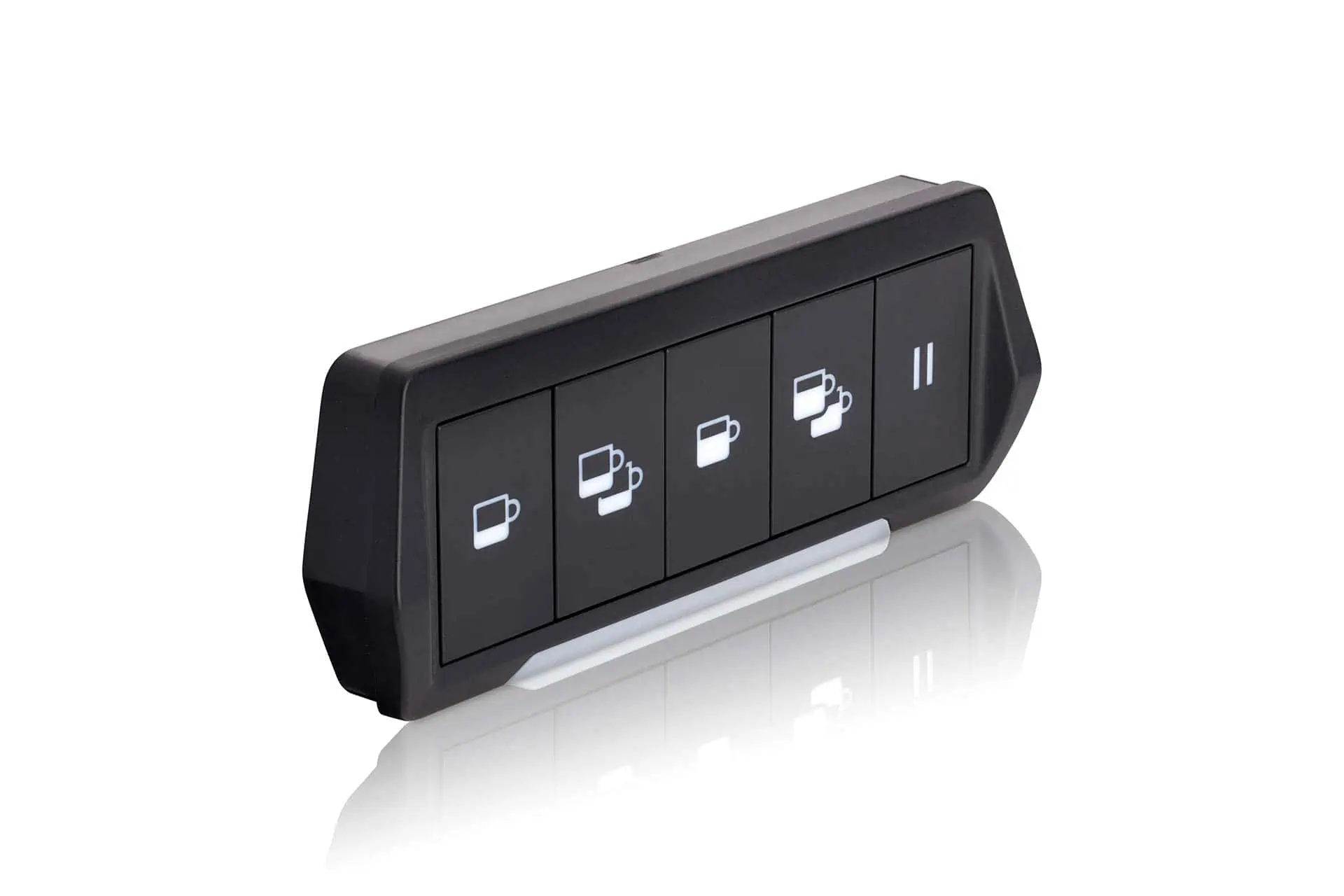
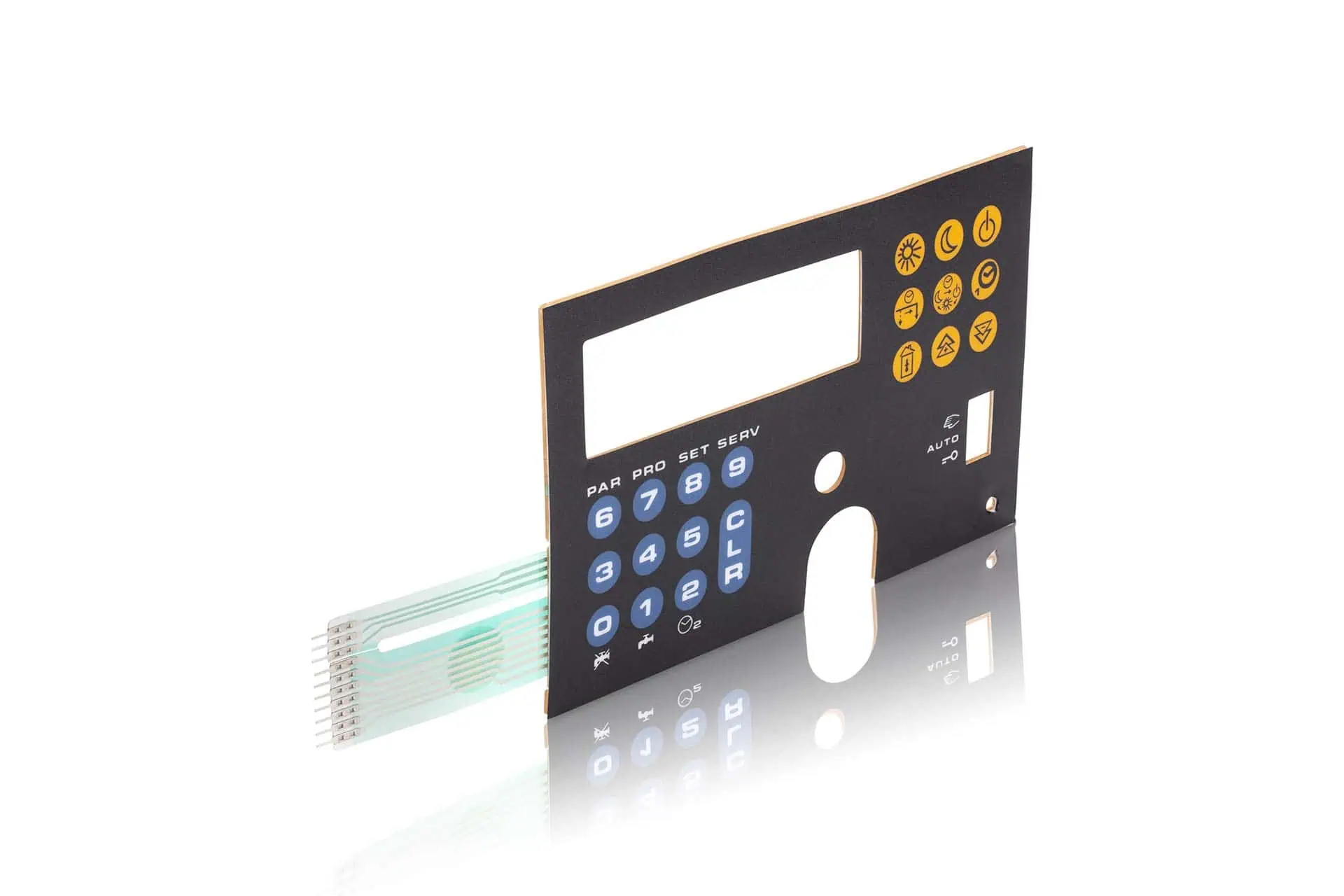
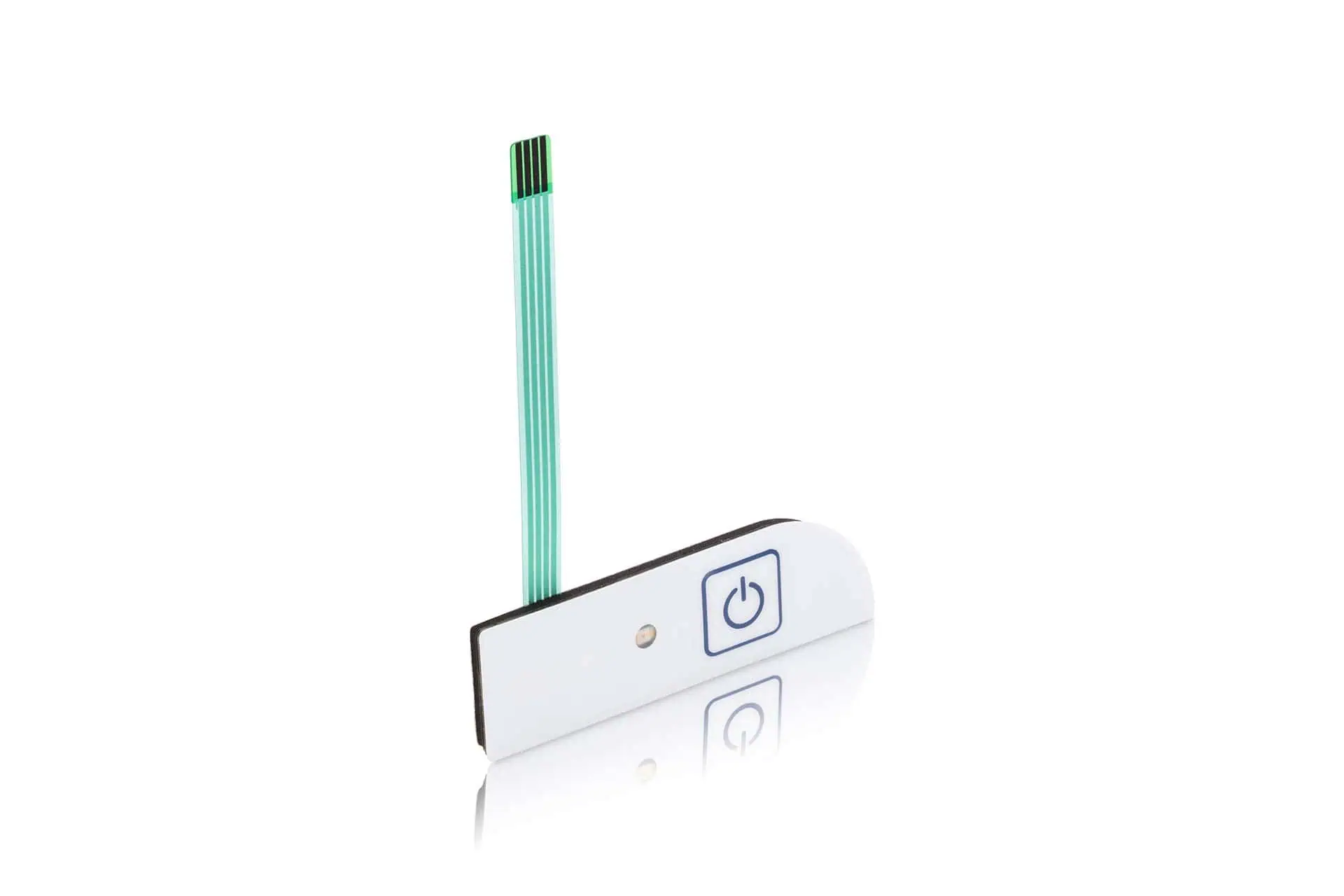
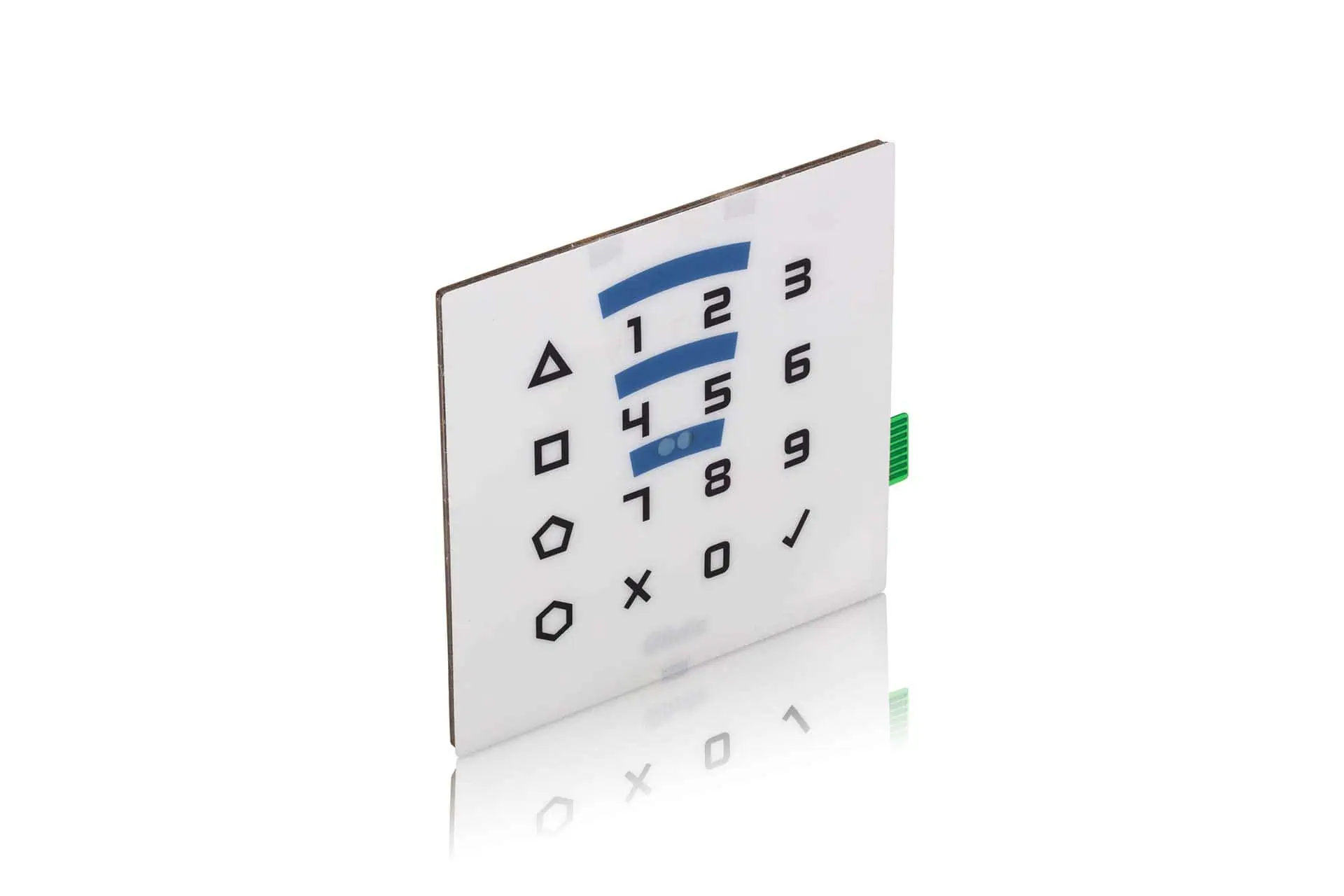
The examples shown give an impression of possible membrane keypads, front overlays and customised user interfaces. The specific design depends on the control concept, design, material, connection type, protection requirements and installation situation.
Send us your non-binding
product inquiry.
If you briefly provide the most important key data, we will check suitable membrane keypads, front overlays, materials, connection types and possible designs.
- Application: device, control panel, machine, medical technology or industry
- Design: flat, tactile, illuminated, with front overlay or integrated electronics
- Design details: layout, colours, symbols, windows, branding and surface
- Technology: connection type, protection rating, haptics, service life and installation situation
- Project: quantities, sample requirements, test requirements and desired delivery timeframe
FAQs
What are membrane keypads typically used for?
Membrane keypads are used wherever flat, robust and individually designed user interfaces are required – for example in industrial panels, medical technology, household appliances, measurement and testing technology, machine controls or technical devices.
What is the difference between a membrane keypad and a front overlay?
A front overlay is the visible, printed surface of a device or control panel. A membrane keypad also includes functional switching layers, contacts, spacers, connection tails and, if required, tactile elements, illumination or shielding.
What types of membrane keypads are available?
Membrane keypads can be flat, tactile, illuminated, with metal domes, polydomes, silicone overlay, display windows, LEDs, flex connection or further integrated components. The design depends on the control concept, environment and installation situation.
Are customised membrane keypads possible?
Yes. Layout, shape, colours, symbols, logos, key areas, windows, connection type, material, adhesive layers, protection rating and technical design can be adapted to the application.
Which materials are used for membrane keypads?
Typical materials include polyester, polycarbonate, silicone, aluminium and multi-layer structures with spacers and adhesive layers. The choice of material influences haptics, protection, flexibility, service life and resistance to cleaning, UV exposure or mechanical stress.
Is tactile feedback possible?
Yes. Membrane keypads can be designed with tactile feedback, for example using metal domes, polydomes or embossed key areas. Actuation force, travel, feedback behaviour and desired operating feel are decisive.
Can membrane keypads be illuminated?
Yes. Depending on the application, LEDs, EL foils or light guides can be used. This allows symbols, texts, status indicators or functional areas to be selectively illuminated.
Which protection ratings are possible?
Depending on the structure and sealing, protection ratings up to IP65 or IP67 are possible. This is particularly relevant for industrial, medical, hygienic or cleaning-intensive applications.
Can displays, LEDs or windows be integrated?
Yes. Front overlays and membrane keypads can include transparent or tinted windows for displays, LEDs or display elements. Combination with PCBs, displays, housings or further control elements is possible.
Which connection types are possible?
Mögliche Anschlussarten sind unter anderem Flexkabel, FFC/FPC, ZIF-Connectoren, Crimpanschlüsse oder Pin-Header. Tail-Design, Pitch, Länge und Verstärkung werden passend zur Einbausituation abgestimmt.
How durable are membrane keypads?
Possible connection types include flex cable, FFC/FPC, ZIF connectors, crimp connections or pin headers. Tail design, pitch, length and reinforcement are matched to the installation situation.
Are membrane keypads suitable for medical or industrial applications?
Yes. Membrane keypads are well suited for medical, industrial and technical applications when protection, cleanability, operating comfort, electrical properties and long-term reliability are taken into account accordingly.
What information is helpful for an enquiry?
Helpful information includes application, dimensions, layout, number of keys, desired haptics, material, surface, protection rating, connection type, illumination, quantities, existing drawings, samples or technical requirements.
Does etronics support custom solutions?
Yes. etronics supports the selection, specification and procurement of customised membrane keypads, front overlays and control solutions – from technical clarification and samples to series-ready implementation.
Five good reasons to choose membrane keypads from etronics
Engineering Support
We support you throughout development and the entire product lifecycle with our engineering expertise and years of experience.
Total Solution
You can either source the membrane keypad as a standalone component or have it integrated with PCBs, housings and cable connections.
Quality is our top priority
We strictly follow established quality standards and apply rigorous selection and testing processes for our partners – including validation upon request.
Practice makes perfect
With over 30 years of experience in the development and production of membrane keypads, we know what matters.
Small series? No problem.
We can also realise small and very small production runs of customised keypad products – tailored to your needs.
This is how your requirements become the right control solution
1. Your inquiry
We clarify requirements, objectives and technical framework conditions.
2. Feasibility check & solution development
We evaluate suitable components, partners and solution approaches.
3. Customized quotation
You receive a clear recommendation with the relevant key details.
4. Project kickoff & Order placement
etronics continues to reliably support procurement, quality and delivery.
5. Prototyping & Sample production
Samples and prototypes are prepared so that function, fit and technical requirements can be verified.
6. Sample approval & Optimization
Feedback from testing and coordination is incorporated into the final design of the solution.
7. Series production & Quality assurance
After approval, production, testing and quality requirements for series delivery are coordinated.
8. Delivery & Logistics solutions
etronics reliably supports procurement, delivery and follow-up supply beyond the project itself.
Other products & solutions
Pogo pins
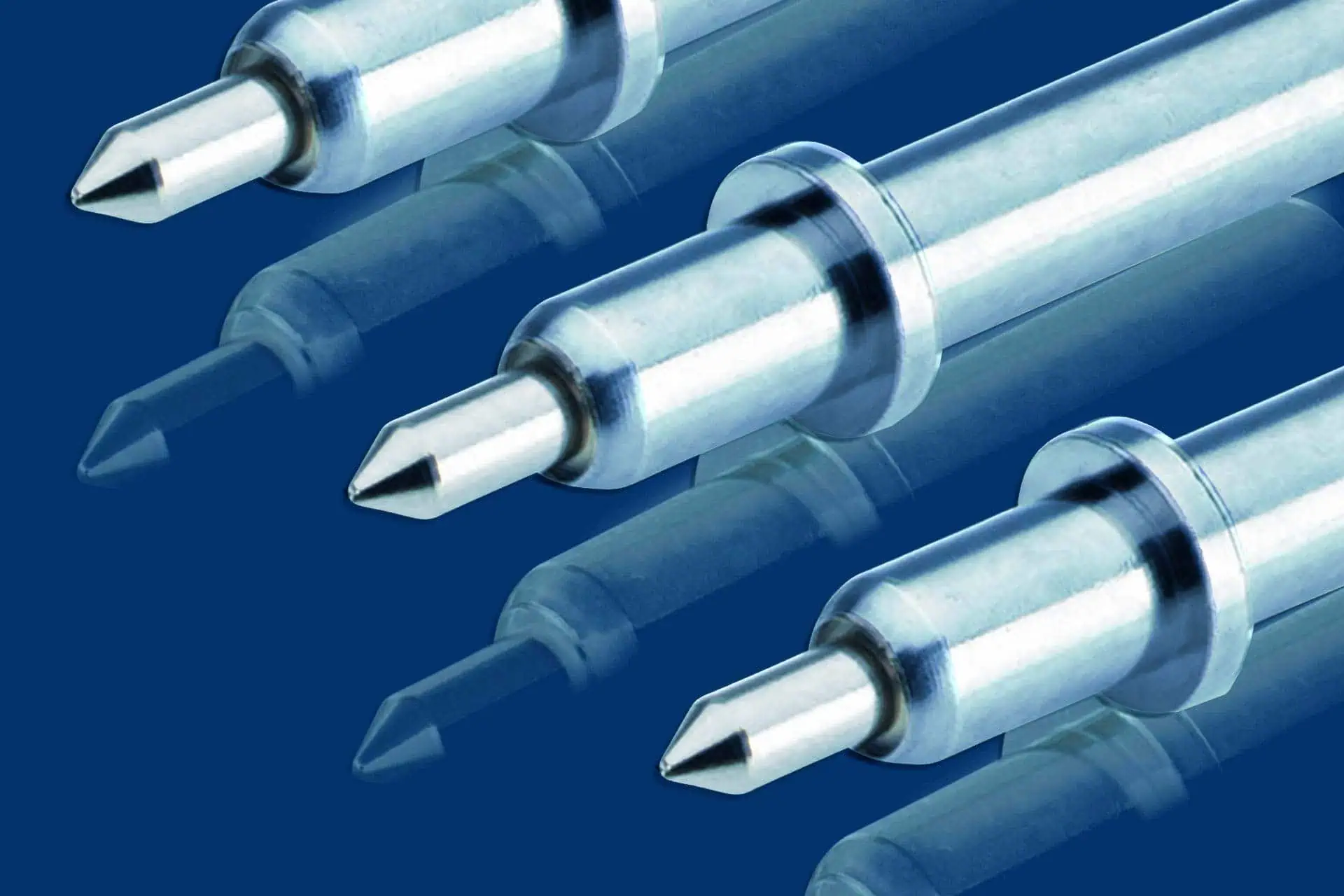
Pogo pins and spring contact pins for testing, docking and modular systems – compact, robust and repeatable.
Resistors
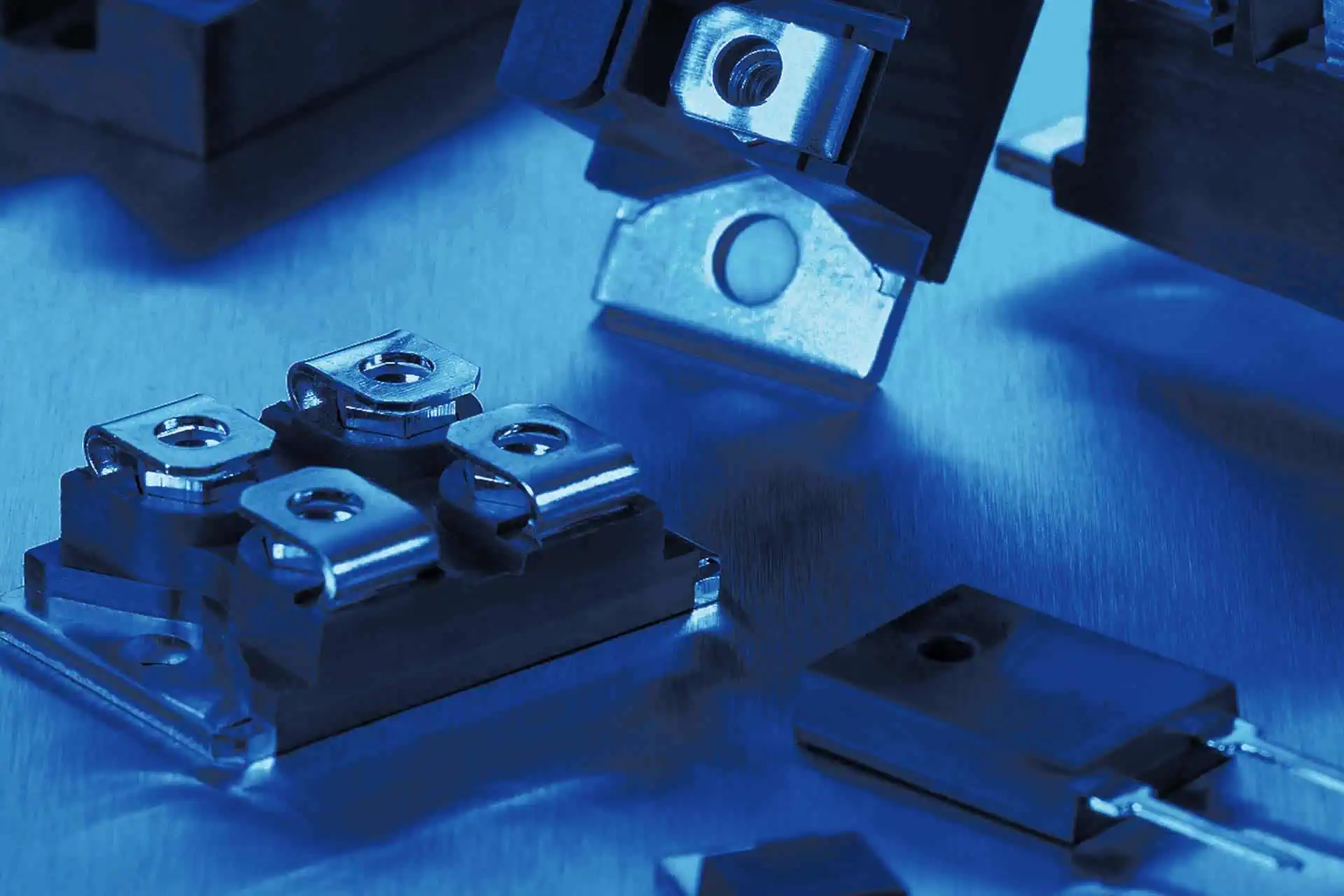
Precision and power resistors – robust, compact and selected to suit the application.

Custom Cable Assemblies
Cable assemblies for reliable connections – custom-manufactured and technically matched.

Displays
TFT, OLED and LCD displays for industrial applications – high-contrast, energy-efficient and individually customizable.

Touch Panels
Capacitive and resistive touch panels for devices and machines – precise, robust and easy to integrate.

Silicone Keypads
Silicone keypads for precise control panels and input solutions – tactile, robust, durable and customizable.

Printed Circuit Boards (PCBs)
Single- and multilayer PCBs, HDI, rigid-flex and aluminium PCBs – precisely manufactured for your application.
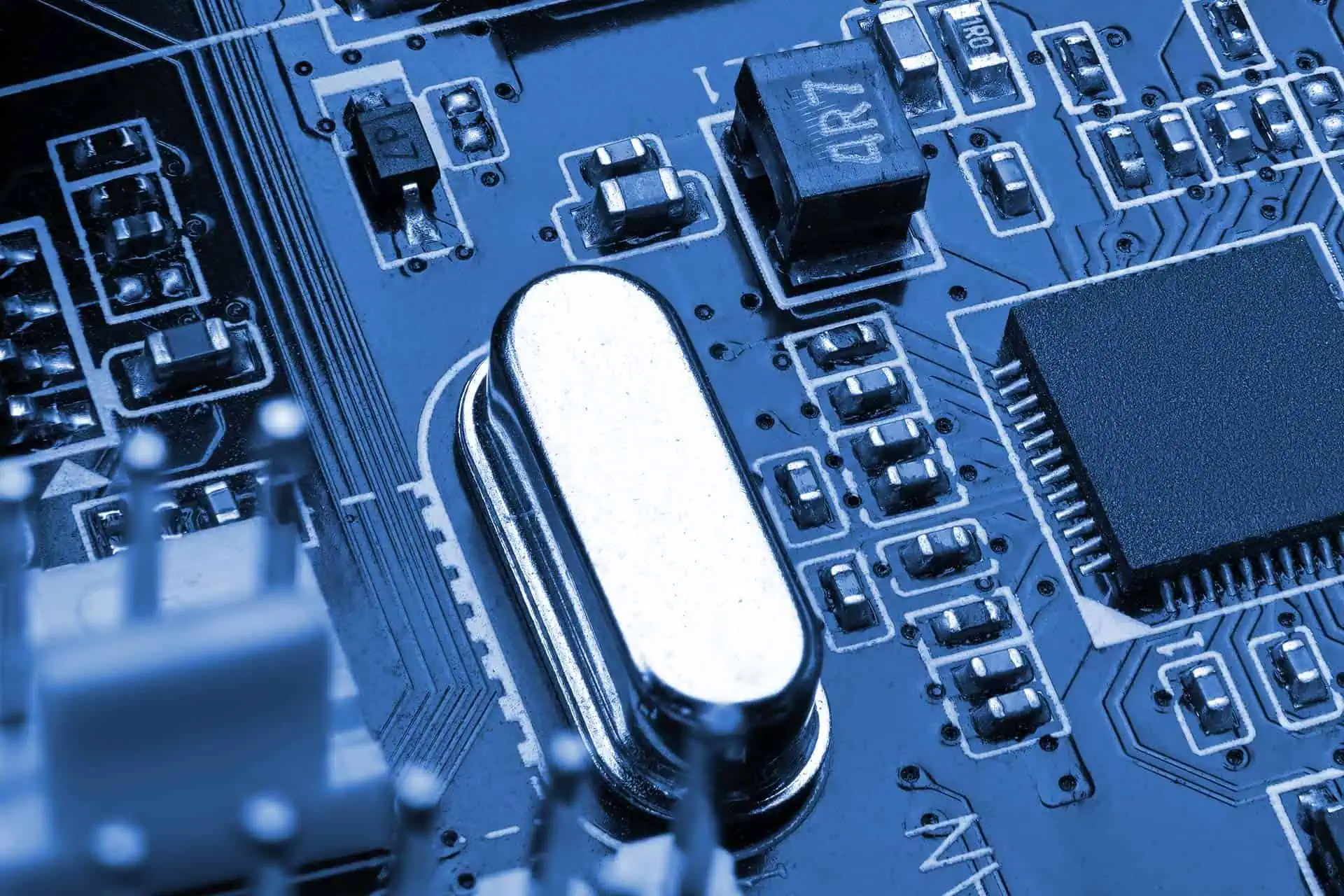
Crystals & Oscillators
Crystals and oscillators for reliable timing – frequency-stable, compact and available long-term.
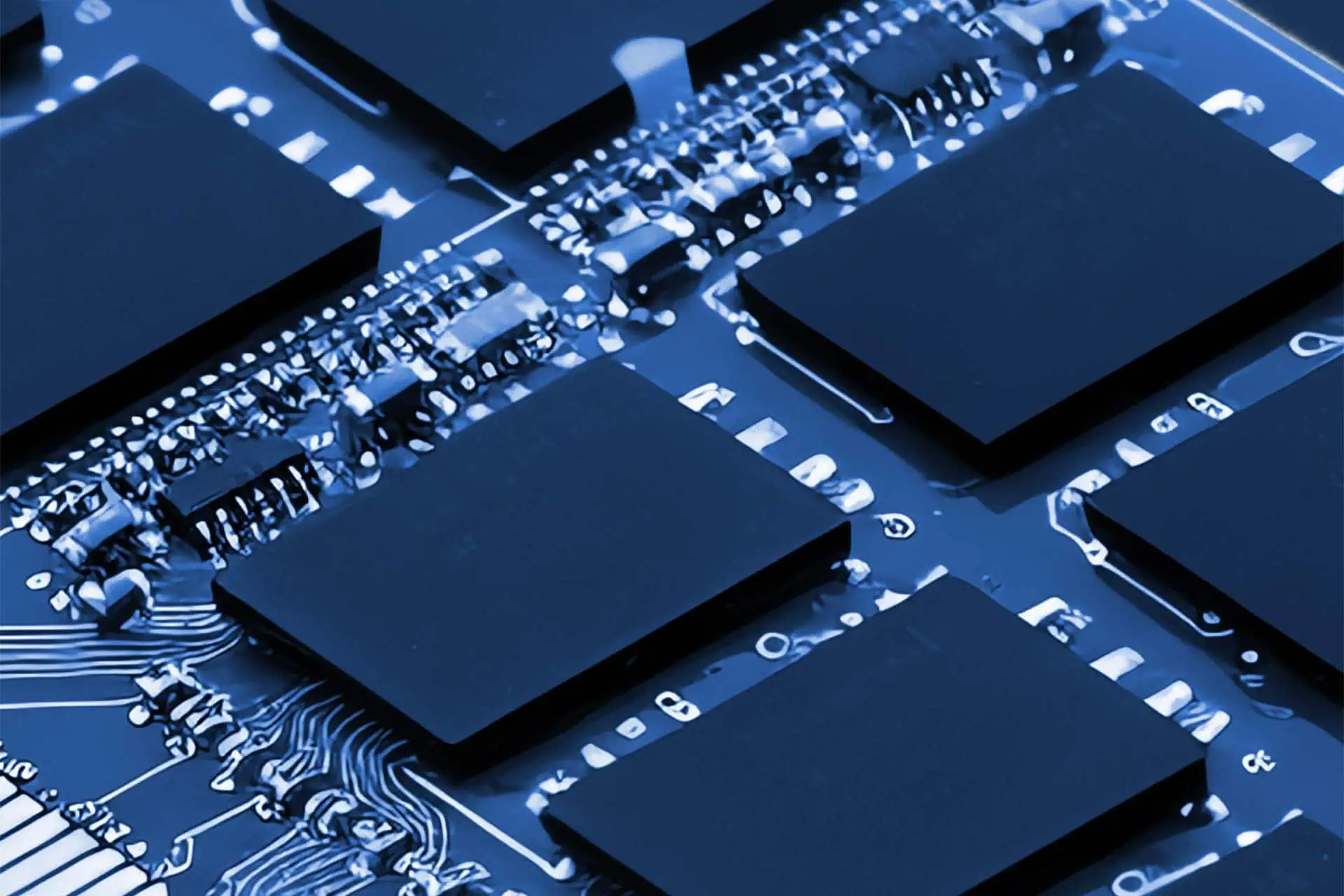
Memory Components
SRAMs, PSRAMs and low-power memory for industrial electronics, embedded systems and long-life applications.
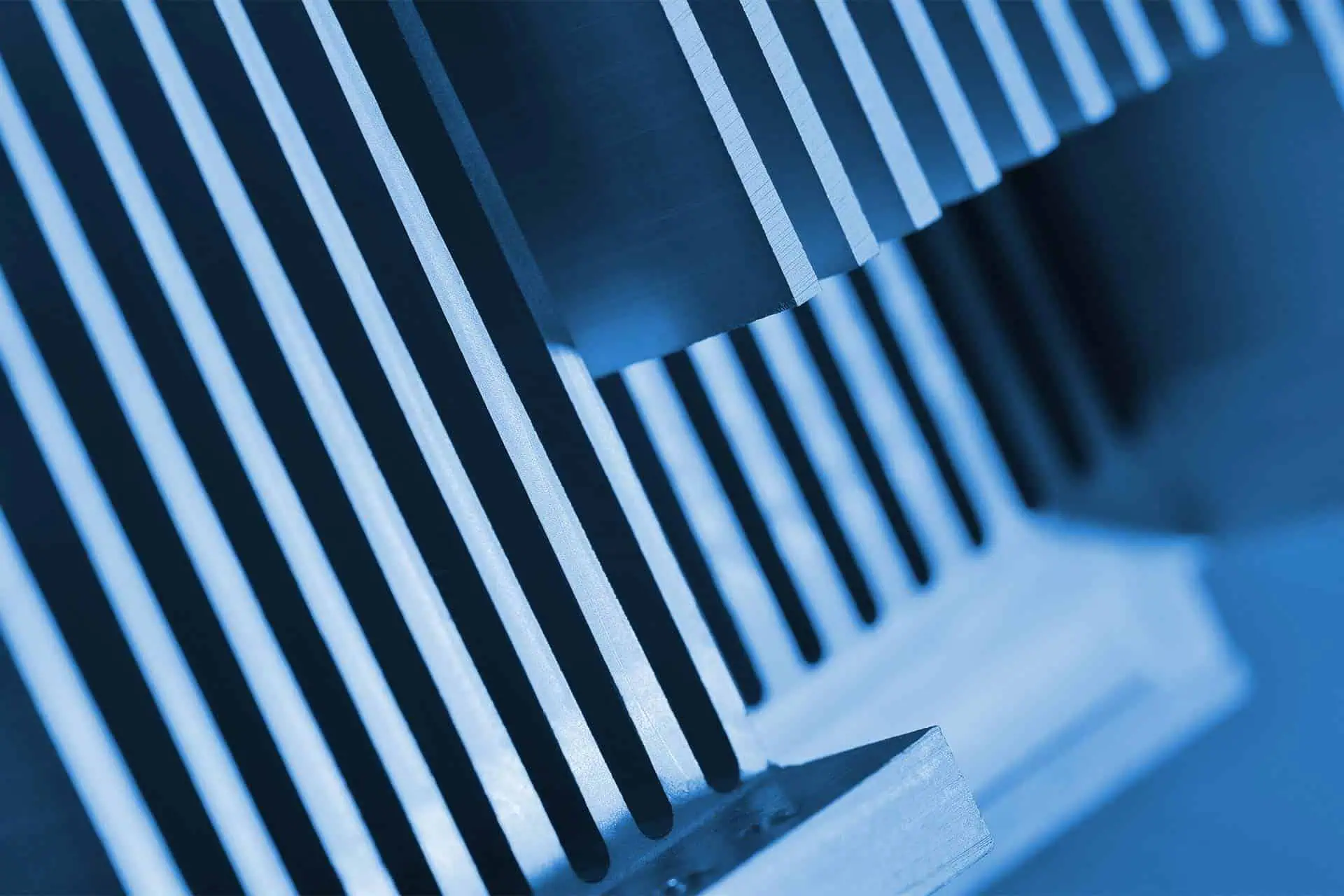
Cooling Solutions
Thermally optimized cooling solutions for electronics – from heat sinks and heat pipes to air and liquid cooling.