
Cable assemblies and customized connection solutions must perform reliably in electrical, mechanical, and application-specific terms. etronics supports you in the selection, specification, and procurement of suitable solutions for your specific use case.

Cable assemblies: Advantages for your application
Cable assemblies are crucial wherever electrical function, mechanical durability, and reliable workmanship must work together. etronics assists in selecting suitable cables, connectors, and assembled connection solutions – tailored to the application, installation situation, and series requirements.
Your benefits:
- Customized designs for devices, interfaces, and installation situations
- Reliable connections through suitable cables, contacts, and connectors
- Mechanical safety through strain relief, kink protection, and robust assembly
- Electrical stability through conductor cross-section, shielding, and contact quality
- Flexible variants from connection cables to complex assemblies
- Secure procurement of samples, alternatives, and series solutions
What matters for cable assemblies in practice
Many applications do not require a standard cable, but rather a customized connection solution: individual cables, cable sets, wiring harnesses, or complete assemblies with defined connectors, lengths, cross-sections, testing requirements, and documentation. etronics helps to clarify these requirements early on and translate them into a reliable, procurable solution.
Cable assembly, cable sets, and connection solutions
- Cable type, cable length, and conductor cross-section suitable for current, signal, and installation situation
- Connectors, pin count, pitch, and locking matched to interface and assembly
- Shielding, impedance, and EMC requirements for stable signal and data transmission
- Bending radius, outer diameter, and strain relief for mechanical safety during use
- Temperature, protection class, and material resistance depending on environment and application
- Testing, labeling, and series capability for reproducible quality and clear identification
Which cable assembly fits your application?
The right cable assembly depends on the application, signal or power requirements, environment, mechanical stress, and the desired connection type. The following overview helps with the initial classification.
Anschlusskabel
Geräteanschluss, Stromversorgung, Netzanschluss und standardisierte Verbindungen.
Steckertyp, Leitungslänge, Leiterquerschnitt, Normen und Einsatzland.
Signal- und Datenkabel
Sensorik, Steuerung, Kommunikation, Mess- und Prüftechnik sowie interne Geräteverbindungen.
Schirmung, Impedanz, Datenrate, Kontaktqualität und EMV-Anforderungen.
Kabelsätze und Kabelbäume
Maschinen, Geräte, Baugruppen und Systeme mit mehreren Verbindungen oder definiertem Routing.
Kabelführung, Kennzeichnung, Montagefreundlichkeit, Dokumentation und Serienfähigkeit.
Rundkabel und Steckverbinderlösungen
Industrie, Automatisierung, Maschinenbau und robuste Schnittstellen mit lösbarer Verbindung.
Schutzart, Verriegelung, mechanische Belastbarkeit, Pinzahl und Kontaktbeschichtung.
Flachband- und IDC-Lösungen
Leiterplatten, kompakte Baugruppen, interne Geräteverdrahtung und platzsparende Verbindungen.
Polzahl, Rastermass, Einbauraum, Biegeradius und passende Gegenstecker.
Kundenspezifische Kabel-Baugruppen
Spezialanwendungen, Serienprodukte und Verbindungslösungen mit individuellen Anforderungen.
Material, Konfektion, Prüfung, Kennzeichnung, Musterphase und zuverlässige Lieferkette.
Technical selection criteria in detail
For concrete specification, electrical, mechanical, material-related, and manufacturing criteria should be considered together. This ensures that function, assembly, quality, and series availability are reliably secured.
Elektrische Eigenschaften
- Nennspannung
- Maximal zulässige Betriebsspannung der Kabel-Baugruppe.
- Strombelastbarkeit
- Abhängig von Leiterquerschnitt (AWG), Material, Kontaktierung und Temperatur.
- Impedanz
- Relevant für HF-, Daten- und Hochgeschwindigkeitsleitungen, z. B. 50 Ω oder 100 Ω.
- Abschirmung
- Schutz gegen EMI/RFI, z. B. durch Folie, Geflecht oder kombinierte Schirmungen.
- Signaltyp
- Power, Daten, HF oder Hybrid-Anwendungen, z. B. USB, RF-Kabel oder Stromversorgung.
Leiter & Materialien
- Leiterquerschnitt / AWG
- Bestimmt Stromtragfähigkeit, Flexibilität und Eignung für die jeweilige Anwendung.
- Leitermaterial
- Kupfer, verzinntes Kupfer oder versilberte Ausführungen – je nach technischer Anforderung.
- Litze vs. Massivleiter
- Litze ist flexibler, Massivleiter stabiler und je nach Anwendung wirtschaftlicher.
- Isolationsmaterial
- PVC, TPE, XLPE oder PTFE – abhängig von Temperatur, Chemikalienbeständigkeit und Einsatzumgebung.
Mechanik / Aufbau
- Kabeltyp
- Flachbandkabel, Rundkabel, Koaxialkabel, Spiralkabel oder kundenspezifische Ausführung.
- Biegeradius
- Minimaler Biegeradius ist besonders wichtig für bewegte oder platzkritische Anwendungen.
- Aussendurchmesser
- Relevant für Einbau, Kabelführung, Kabelmanagement und mechanische Integration.
- Zugentlastung
- Molded, Crimp oder Overmolding – schützt Übergänge und erhöht die mechanische Sicherheit.
- Flexibilität
- Hochflexible Leitungen für bewegte Anwendungen, robuste Ausführungen für statische Installationen.
Steckverbinder / Schnittstellen
- Steckverbindertyp
- USB, HDMI, RJ45, JST, Molex, LEMO oder kundenspezifische Steckerlösungen.
- Kontaktbeschichtung
- Gold, Zinn oder andere Oberflächen für Korrosionsschutz, Kontaktqualität und Signalstabilität.
- Verriegelung
- Snap-in, Schraubverbindung, Push-Pull oder andere Sicherungen gegen unbeabsichtigtes Lösen.
- Pin-Anzahl / Pitch
- Anzahl der Kontakte und Rastermass passend zu Schnittstelle, Bauraum und Montage.
Umgebungsbedingungen
- Temperaturbereich
- Typisch −40 °C bis +105 °C oder höher – abhängig von Material und Anwendung.
- Schutzart
- IP20 bis IP67/IP68 für Industrie-, Outdoor- oder robuste Geräteanwendungen.
- Chemikalienbeständigkeit
- Öl-, UV-, wasser- oder chemikalienbeständige Materialien je nach Einsatzumgebung.
- Flammwidrigkeit
- UL94, VW-1 oder andere Anforderungen für Sicherheit und regulierte Anwendungen.
Fertigung / Konfektion
- Kabelkonfektion
- Crimping, Löten oder Overmolding für reproduzierbare und anwendungsspezifische Verbindungen.
- Längenanpassung
- Individuelle Kabellängen nach Kundenvorgabe und Einbausituation.
- Kabelbaum
- Komplexe Kabelbäume mit mehreren Abzweigungen, definiertem Routing und eindeutiger Zuordnung.
- Kennzeichnung
- Labeling, Laser-Markierung oder Farbcodierung für Montage, Service und Serienfertigung.
Qualität & Normen
- Zertifizierungen
- UL, CE, RoHS, REACH oder weitere Anforderungen je nach Markt, Anwendung und Produktumfeld.
- Prüfungen
- Durchgangstest, Hochspannungstest und Funktionstest zur Absicherung der Qualität.
- IPC-/UL-Standards
- Verarbeitungs- und Sicherheitsanforderungen für professionelle Kabel-Baugruppen.
Anwendungsspezifisch
- Einsatzbereich
- Automotive, Medizintechnik, Industrie, Elektronik oder kundenspezifische Anwendungen.
- Hochgeschwindigkeit
- USB 3.x, HDMI, LVDS, Ethernet Cat5e bis Cat8 und weitere Datenanwendungen.
- Hochstrom-Anwendungen
- Stromkabel mit grossem Querschnitt für Leistungsübertragung und Versorgung.
- Miniaturisierung
- Feine Kabel und kompakte Verbindungslösungen für kleine Geräte und begrenzten Bauraum.
Cable assemblies and customized connection solutions
Depending on the application, a cable assembly can consist of different cable types, connectors, protective components, and assembled connection elements. etronics supports the selection and procurement of suitable designs – from simple connection leads to custom cable sets and wiring harnesses.
Typical designs include connection cables, power cords, data and signal cables, coaxial cables, ribbon cables, spiral cables, cable sets, wiring harnesses, adapter solutions, and custom cable assemblies.
Connection and power cables
Connection and power cables reliably connect devices to the power supply and must match the respective application, the country of use, and the applicable safety requirements. Key factors include plug type, cable length, conductor cross-section, jacket material, strain relief, and standard compliance.
- Power and connection leads for devices, systems, and series products
- Coordination of plug type, cable length, cross-section, and country of use
- Support with procurement, standards, samples, and series availability

Signal, data, and communication cables
Signal, data, and communication cables are used wherever information must be transmitted reliably and with low interference – such as in control systems, sensor technology, measuring systems, network technology, or internal device connections.
- Selection of suitable cables for data, control, and communication signals
- Consideration of shielding, impedance, data rate, and EMC requirements
- Coordination of connectors, cable routing, and contact quality

Cable sets and wiring harnesses
Cable sets and wiring harnesses bundle multiple leads, connectors, and branches into an easy-to-install connection solution. They are used when various components within a device, machine, or assembly need to be connected in a clearly structured and reproducible manner.
- Defined lengths, branches, connectors, and cable routing
- Labeling and documentation for assembly, service, and series production
- Procurement of custom cable sets and wiring harnesses according to project requirements

Industrial and machine cables
Industrial and machine cables must reliably withstand mechanical stress, movement, vibration, temperature, dirt, or moisture. They are used in mechanical engineering, automation, control technology, and industrial plants.
- Robust cable assemblies for mechanical engineering, industry, and automation
- Consideration of bending radius, strain relief, protection class, and jacket material
- Selection of durable connection solutions for demanding operating conditions

Custom cable assemblies
Custom cable assemblies are created where standard cables are insufficient. Length, connectors, conductor cross-section, shielding, labeling, protection class, testing requirements, and packaging can be tailored to the specific application.
- Technical clarification of individual requirements and operating conditions
- Support during the sampling phase, component selection, and alternative testing
- Procurement of series-ready cable assemblies with a reliable supply chain

Peripheral solutions for cable assemblies
In addition to the actual cable assembly, supplementary components may also be relevant depending on the application – such as connectors, adapters, contacts, protective components, housing elements, or labeling solutions. etronics helps to select suitable components and manufacturer options and integrate them technically into the cable assembly.
- Connectors and adapters
- Contact and connection solutions
- Protective and housing components
- Labeling and accessories
- Custom connection elements
Depending on project requirements, various components, brands, and manufacturer solutions can be tested – always tailored to function, availability, quality, and series capability.
- AMP
- Fujitsu
- DDK
- Hirose
Harting
JST
Honda
Molex
Lumberg
3M
Samtec
Amphenol
Cable structure and technical specification
For the right cable assembly, the structure, conductor, insulation, jacket, shielding, and contacting are crucial. These parameters influence current-carrying capacity, signal quality, flexibility, durability, and assembly.

Cable assemblies for medical and industrial development projects
Particularly in medical, industrial, or technical development projects, cable assemblies must do more than provide a simple connection. They must fit the application, the installation situation, testing requirements, standards, and the planned series supply.
etronics supports you in clarifying requirements early on, testing suitable cables, connectors, and assembly solutions, and finding a reliable solution for prototypes, samples, or series projects.
- Clarification of technical requirements and operating conditions
- Selection of suitable cables, connectors, and materials
- Support during sample and prototype phases
- Testing of alternatives, availability, and series capability
- Procurement of custom cable assemblies
Our strengths in cable assemblies
- Technical clarification instead of standard selection: We check cable type, conductor cross-section, connectors, shielding, bending radius, and installation situation in relation to your application.
- Customized assembly: From connection and power cables to signal and data leads, cable sets, wiring harnesses, and complete connection solutions.
- Mechanically and electrically coordinated solutions: Strain relief, kink protection, contacting, protection class, signal quality, and durability are considered according to the area of use.
- Procurement with a focus on series and availability: We support the sampling phase, alternative testing, manufacturer options, and a reliable solution for prototypes, small series, or series requirements.
Applications
- Industry & Mechanical Engineering: Cable assemblies for control systems, sensors, actuators, machine modules, and robust connection solutions in industrial environments.
- Medical Technology: Assembled cables, connectors, and connection solutions for devices, modules, and applications with high requirements for reliability, cleaning, and documentation.
- Measurement and Testing Technology: Signal, data, and connection cables for test setups, test systems, measuring devices, and high-precision applications.
- Telecommunications & Data Transmission: Coaxial, data, patch, and connection cables for stable signal transmission, defined interfaces, and compact installation situations.
- Energy & Power Electronics: Cable sets, power cords, and connection solutions for power supply, charging infrastructure, device construction, and electrical systems.
- Device Construction & Electronics Development: Custom cable assemblies for prototypes, small series, and series-ready products.
Conclusion:
Cable assemblies are relevant wherever electrical connections must not only fit but function reliably in the long term. Key factors are cable type, connector, shielding, mechanical stress, installation situation, and series capability. etronics supports you from technical clarification to suitable procurement.
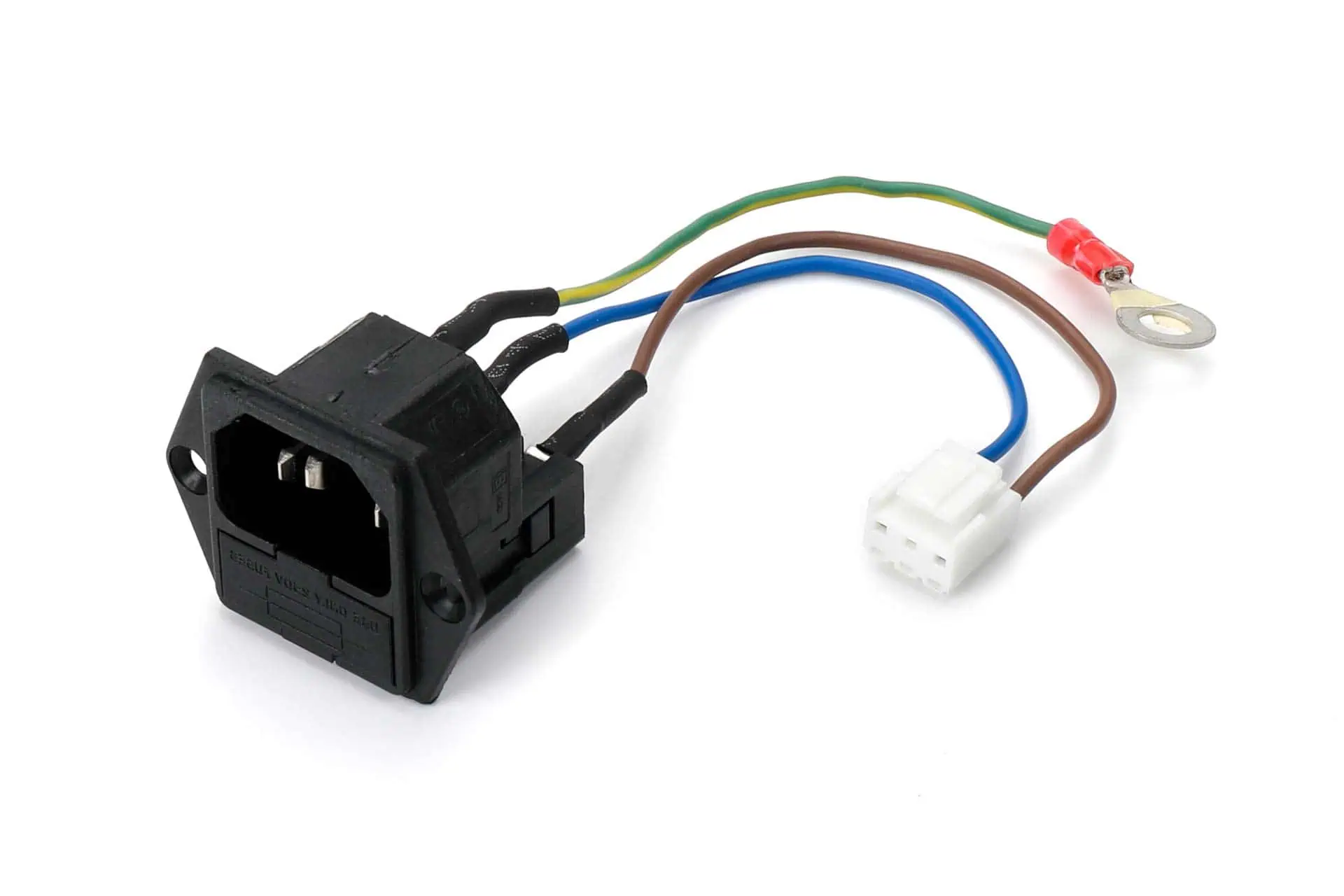
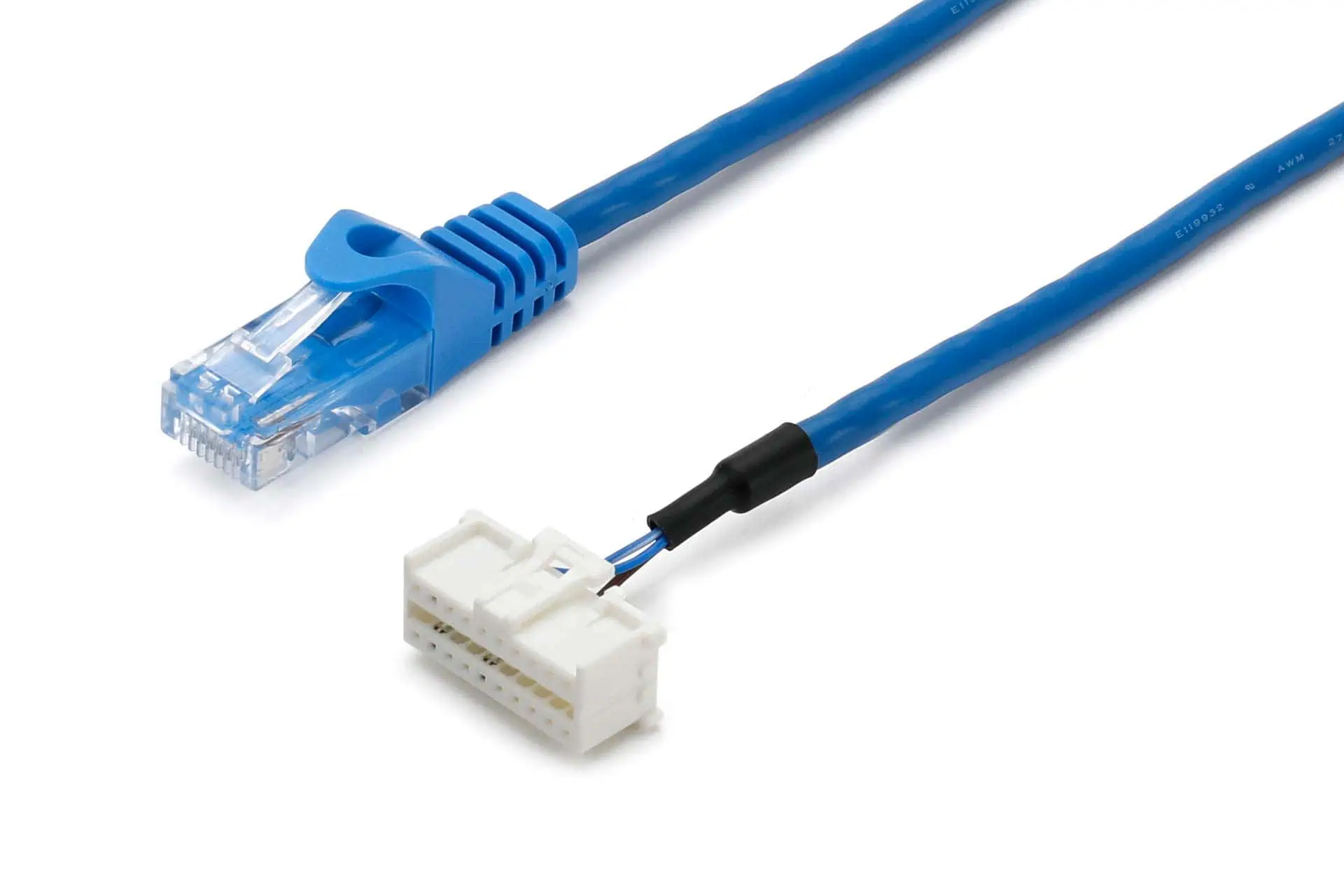
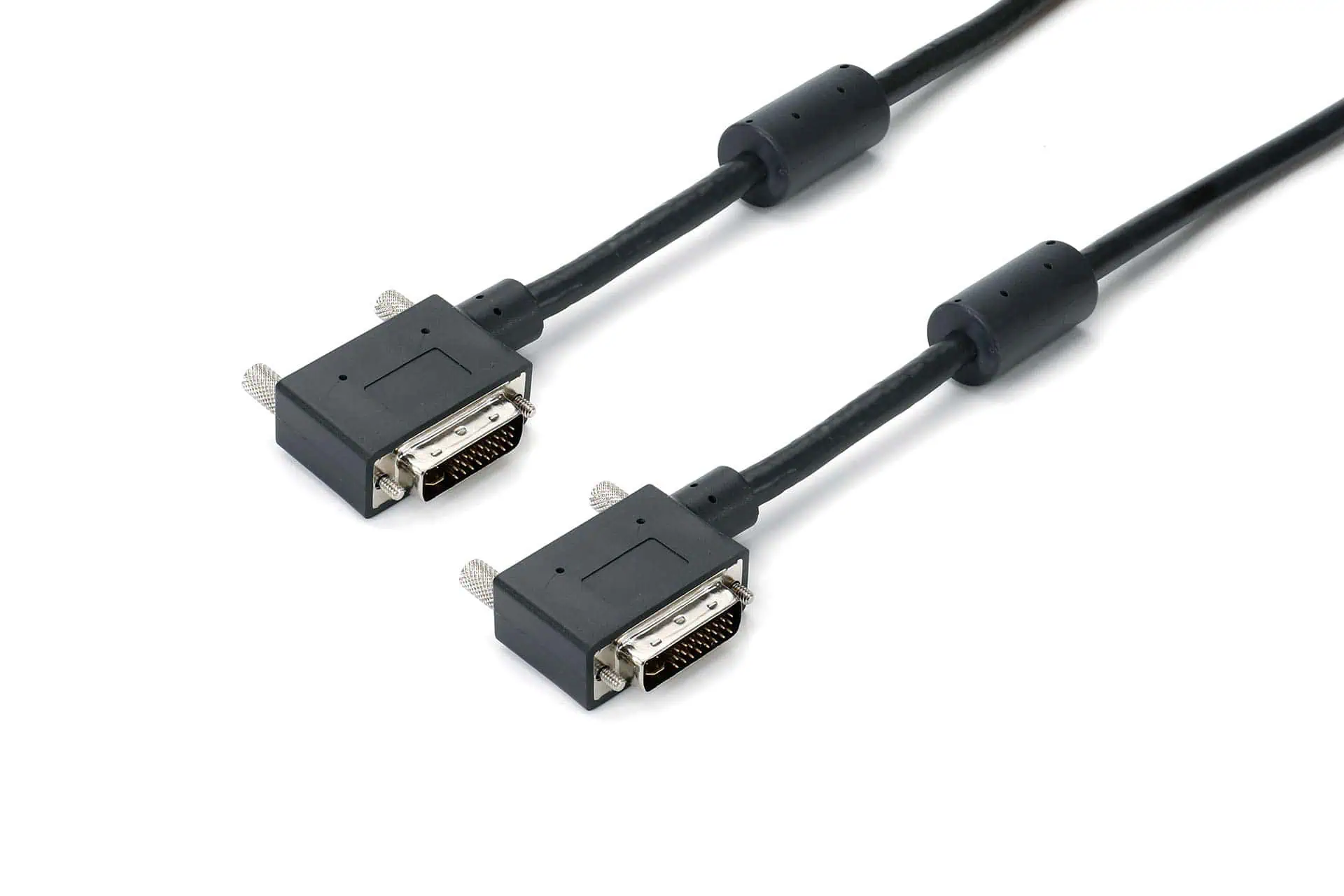
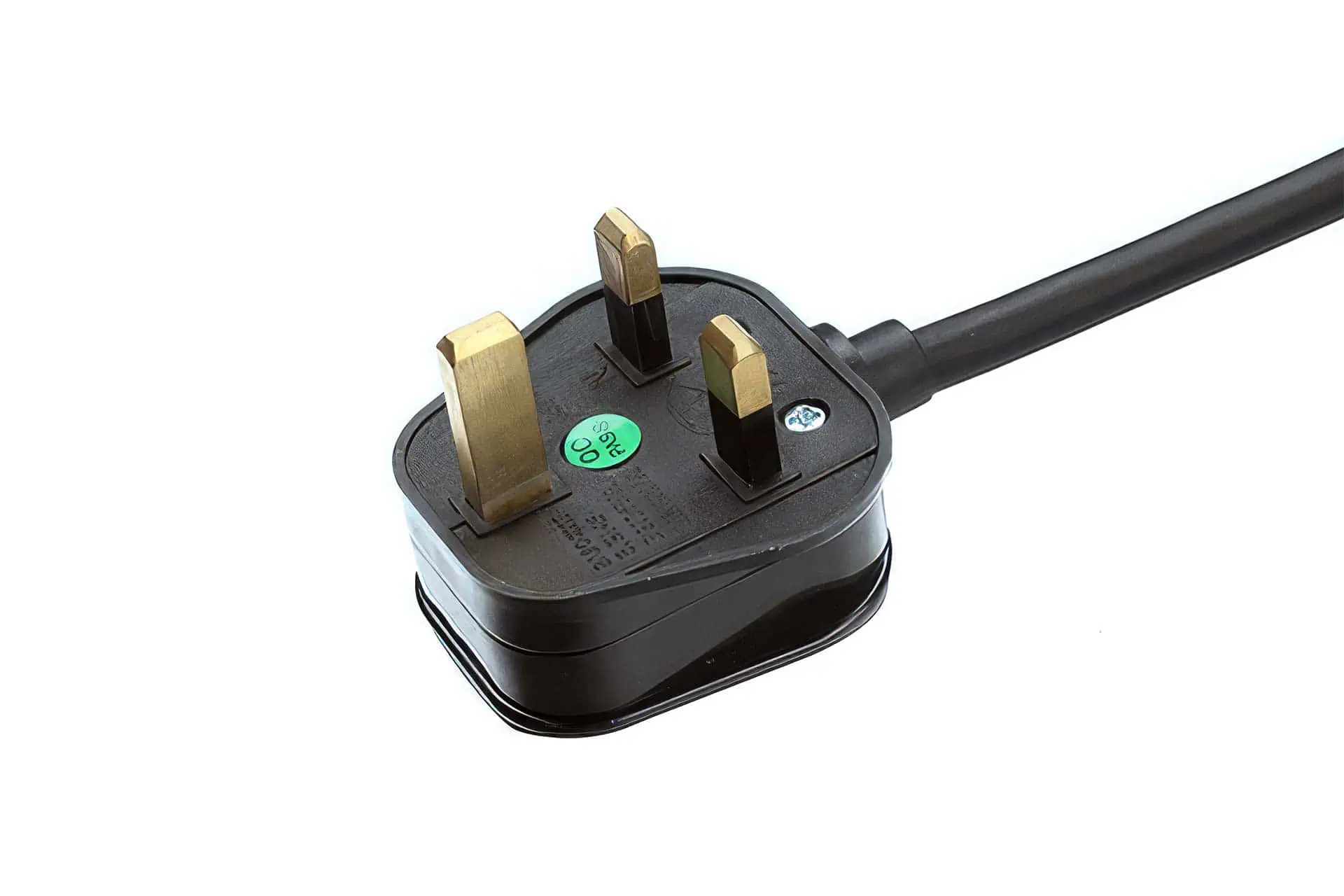
More product images
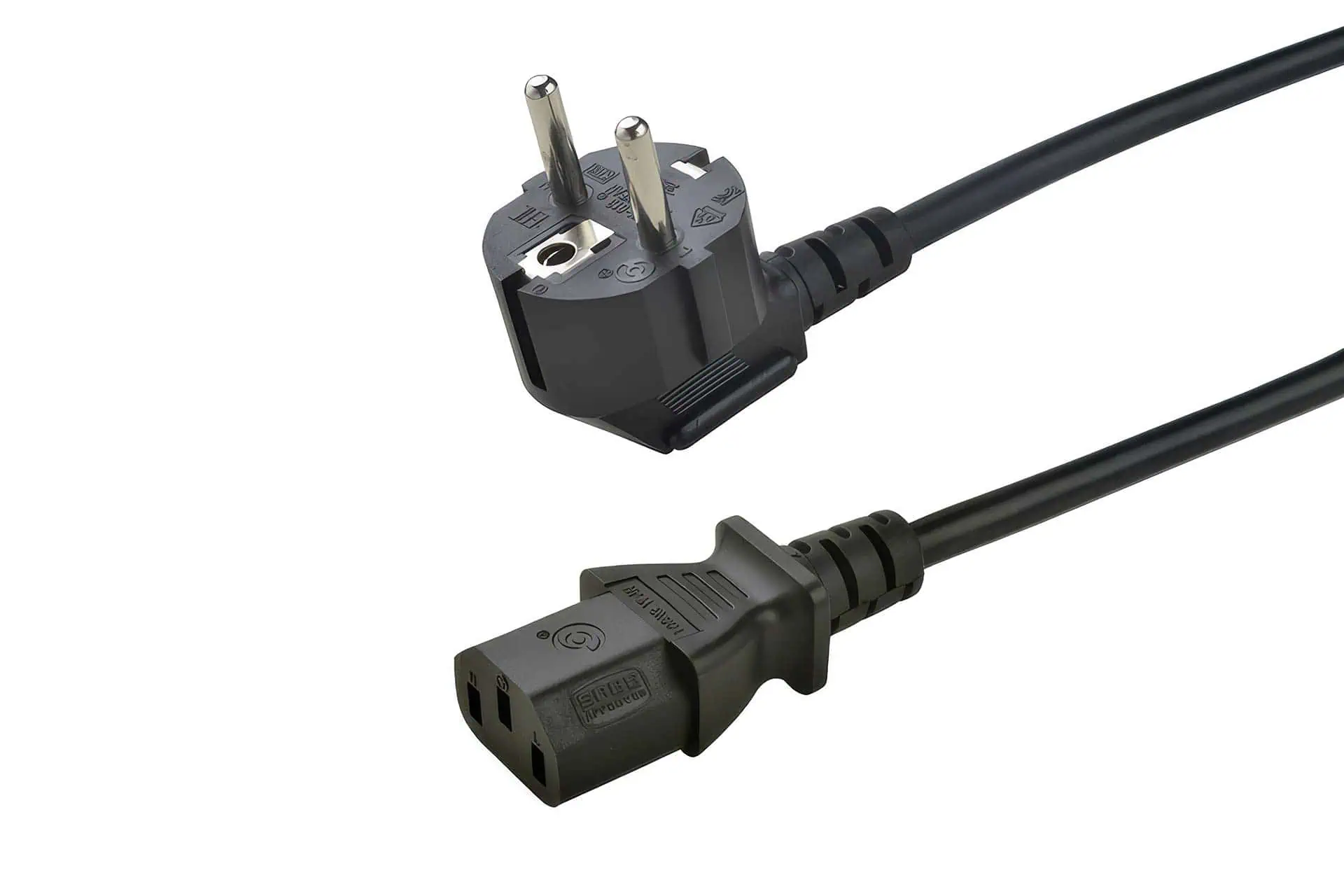
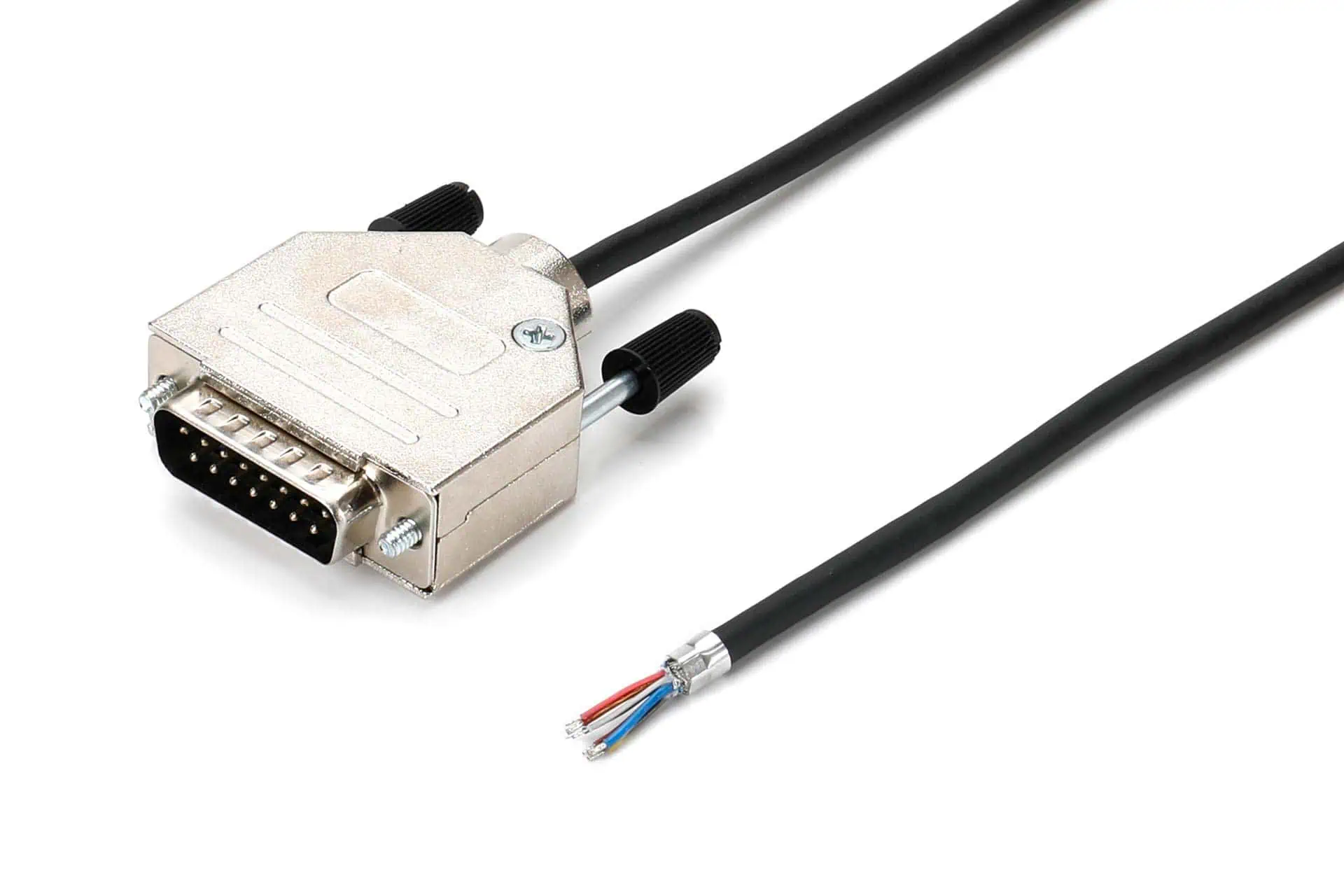
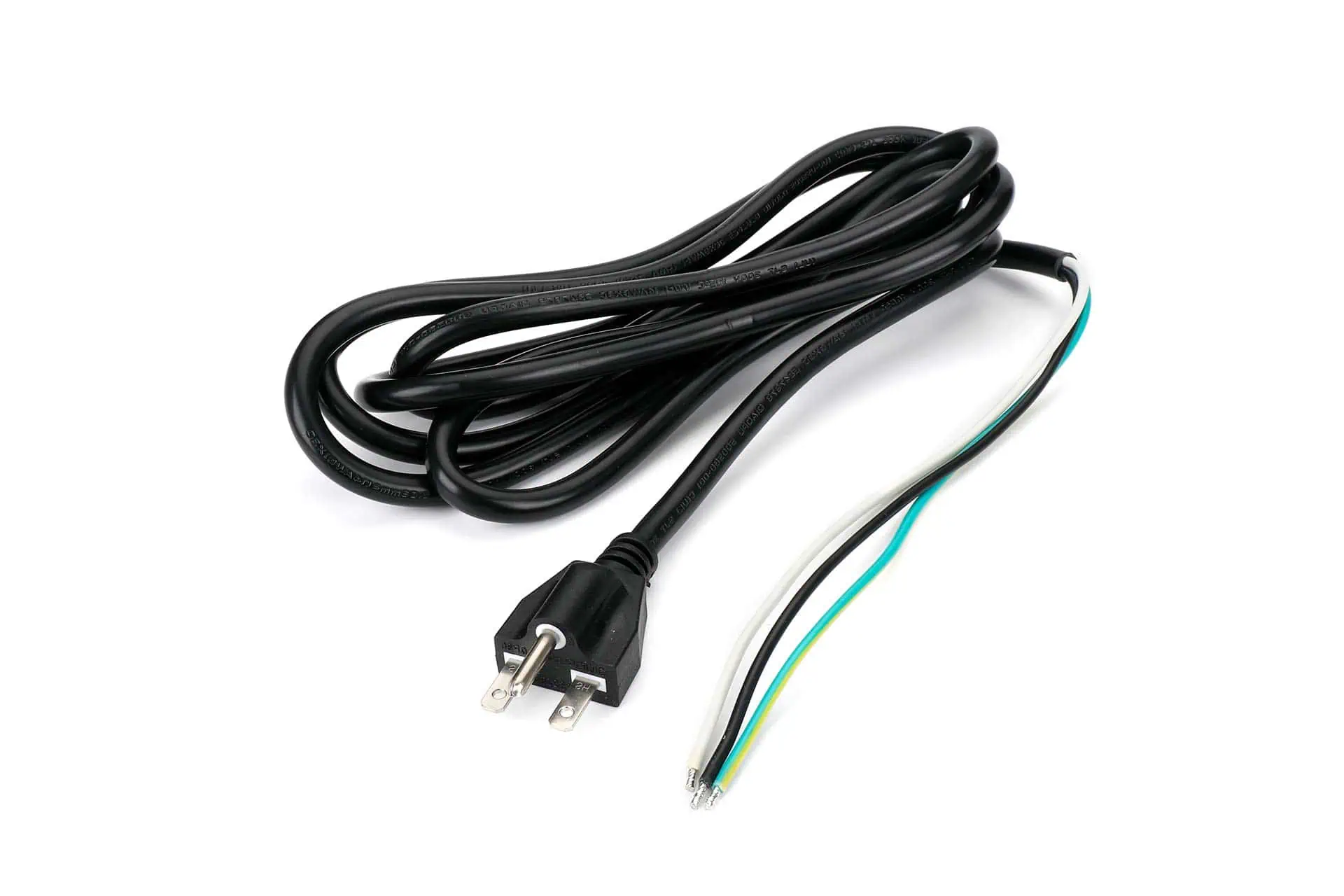
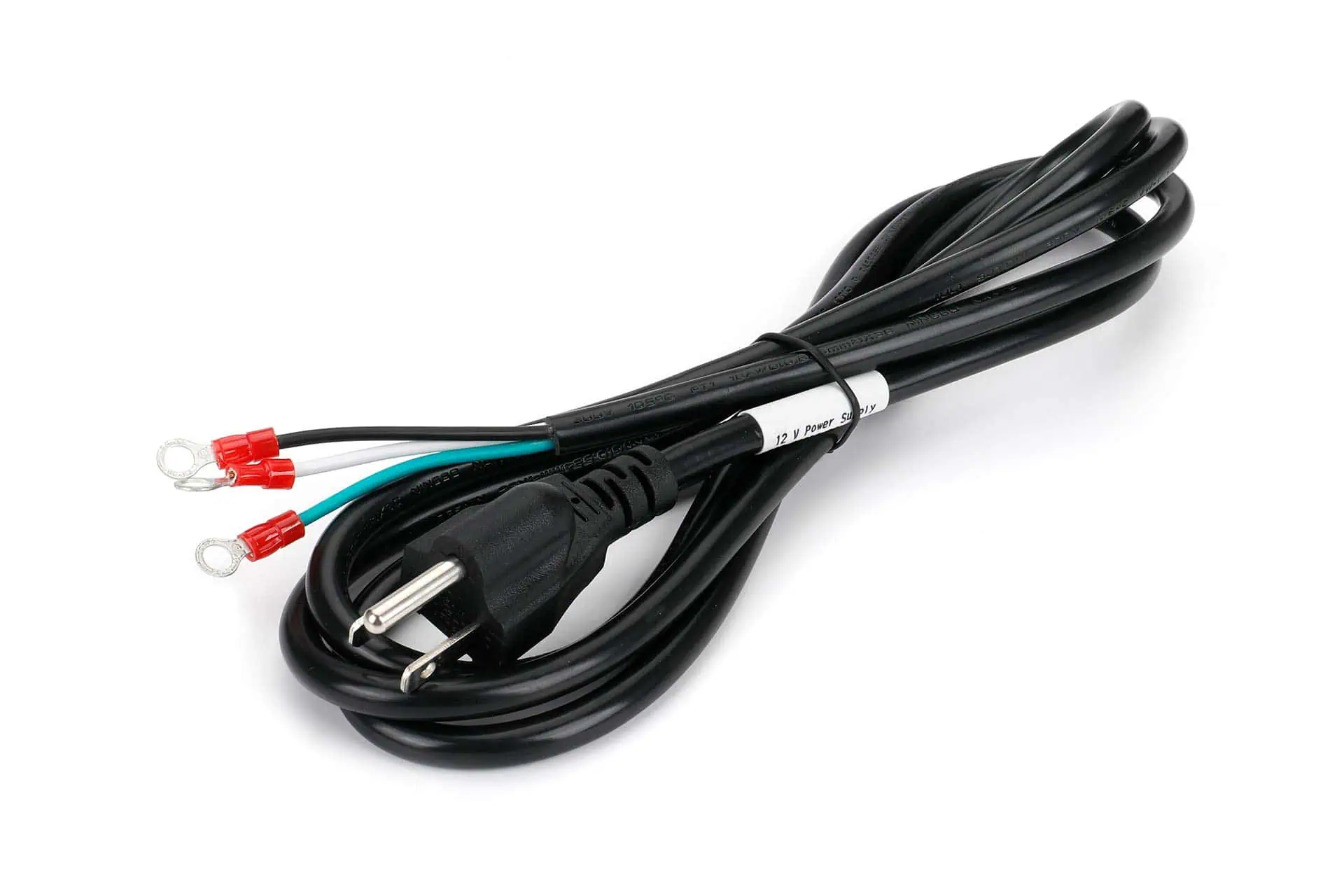
The examples shown provide an impression of possible cable types, connectors, and assembled cable solutions. The specific design depends on the application, installation situation, and technical requirements.
Send us your non-binding
product inquiry.
If you provide us with the key data, we will check suitable cable types, connectors, assembly options, and available alternatives.
- Application: Device, machine, assembly, medical technology, or industry
- Cable type: Connection cable, data cable, coaxial cable, cable set, or wiring harness
- Electrical data: Current, voltage, signal type, data rate, impedance, or shielding
- Mechanics: Length, cross-section, bending radius, strain relief, and installation situation
- Connector: Type, pin count, locking, contact plating, or sample
- Project: Quantities, testing requirements, standards, and desired delivery period
FAQs
What are cable assemblies typically used for?
Cable assemblies are used to reliably connect electronic components, devices, modules, or systems. Typical applications include device connection, power supply, signal and data transmission, mechanical engineering, medical technology, industrial electronics, telecommunications, and custom connection solutions.
What is the difference between cable assembly and cable processing?
Cable processing usually describes the assembly of individual cables, for example with connectors, contacts, crimps, solder joints, or strain reliefs. Cable assemblies are broader and can consist of multiple cables, connectors, branches, adapters, labels, and supplementary components.
Which parameters are decisive for selection?
Important factors include cable type, cable length, conductor cross-section, current-carrying capacity, signal type, shielding, connectors, pin assignment, bending radius, jacket material, protection class, temperature range, testing requirements, and series availability.
Are there different designs of cable assemblies?
Yes. Depending on the application, connection cables, power cords, signal and data cables, coaxial cables, ribbon cables, cable sets, wiring harnesses, adapter solutions, or completely custom cable assemblies are possible.
Are custom cable assemblies possible?
Yes. Cable length, conductor cross-section, connectors, pin assignment, shielding, jacket material, labeling, protection class, testing, and packaging can be coordinated on a project-specific basis.
Can existing cables or samples be replicated?
In many cases, existing cables, samples, drawings, or photos can serve as a basis for technical review. etronics can help clarify specifications, components, possible alternatives, and the procurability of a suitable solution.
What role do connectors and contacts play?
Connectors and contacts are crucial for signal quality, current-carrying capacity, mechanical safety, and long-term reliability. Relevant factors include connector type, pin count, pitch, locking, contact plating, protection class, and mounting type.
What should be considered regarding shielding and EMC?
For signal, data, measurement, and communication leads, suitable shielding is important to reduce interference and enable stable transmission. Depending on the application, foil, braid, or combined shielding may be used.
Can cable assemblies be used for moving applications?
Yes, provided that the cable type, jacket material, bending radius, strain relief, and mechanical structure are designed accordingly. For moving or vibration-stressed applications, flexible leads and robust transitions are particularly important.
Are cable assemblies suitable for industrial or medical applications?
Yes. Particularly in industrial, medical, or technical applications, cable assemblies must fit the installation situation, mechanical stress, testing requirements, standards, and planned series supply. etronics supports the clarification of these requirements.
What tests are possible for cable assemblies?
Depending on the application, continuity tests, functional tests, high-voltage tests, visual inspections, tensile tests, or project-specific testing requirements may be relevant. The goal is reproducible quality for samples, small series, or series projects.
Can peripheral components also be considered?
Yes. In addition to cables and connectors, adapters, contact solutions, protective components, housing elements, labels, or ready-to-connect connection elements can be included in the overall solution.
Does etronics support alternatives and procurement?
Yes. If existing components are difficult to obtain, too expensive, or no longer technically suitable, etronics can check possible alternatives, manufacturer options, and procurable connection solutions.
What information is helpful for an enquiry?
Information on the application, cable length, conductor cross-section, connectors, pin assignment, signal or power requirements, environment, quantities, standards, testing requirements, and desired delivery period is helpful. If available, drawings, photos, samples, or data sheets can also be submitted.
Five good reasons for cable assemblies from etronics.
Engineering Support
We support you throughout development and the entire product lifecycle with our engineering expertise and years of experience.
Total Solution
We are happy to manufacture a complete solution for you, i.e. we assemble complete cables with plug connections or even entire wiring harnesses.
Quality is our top priority
We strictly follow established quality standards and apply rigorous selection and testing processes for our partners — including validation upon request.
Practice makes perfect
With more than 30 years of experience in the development and production of electronic components and assemblies, we know what matters.
Short development and Production times
Thanks to large production capacities, we can meet demandingreplenishment and delivery times.
How your requirement becomes the right cable assembly
1. Your inquiry
We clarify requirements, objectives and technical framework conditions.
2. Feasibility check & solution development
We evaluate suitable components, partners and solution approaches.
3. Customized quotation
You receive a clear recommendation with the relevant key details.
4. Project kickoff & Order placement
etronics continues to reliably support procurement, quality and delivery.
5. Prototyping & Sample production
Samples and prototypes are prepared so that function, fit and technical requirements can be verified.
6. Sample approval & Optimization
Feedback from testing and coordination is incorporated into the final design of the solution.
7. Series production & Quality assurance
After approval, production, testing and quality requirements for series delivery are coordinated.
8. Delivery & Logistics solutions
etronics reliably supports procurement, delivery and follow-up supply beyond the project itself.
Other products & solutions
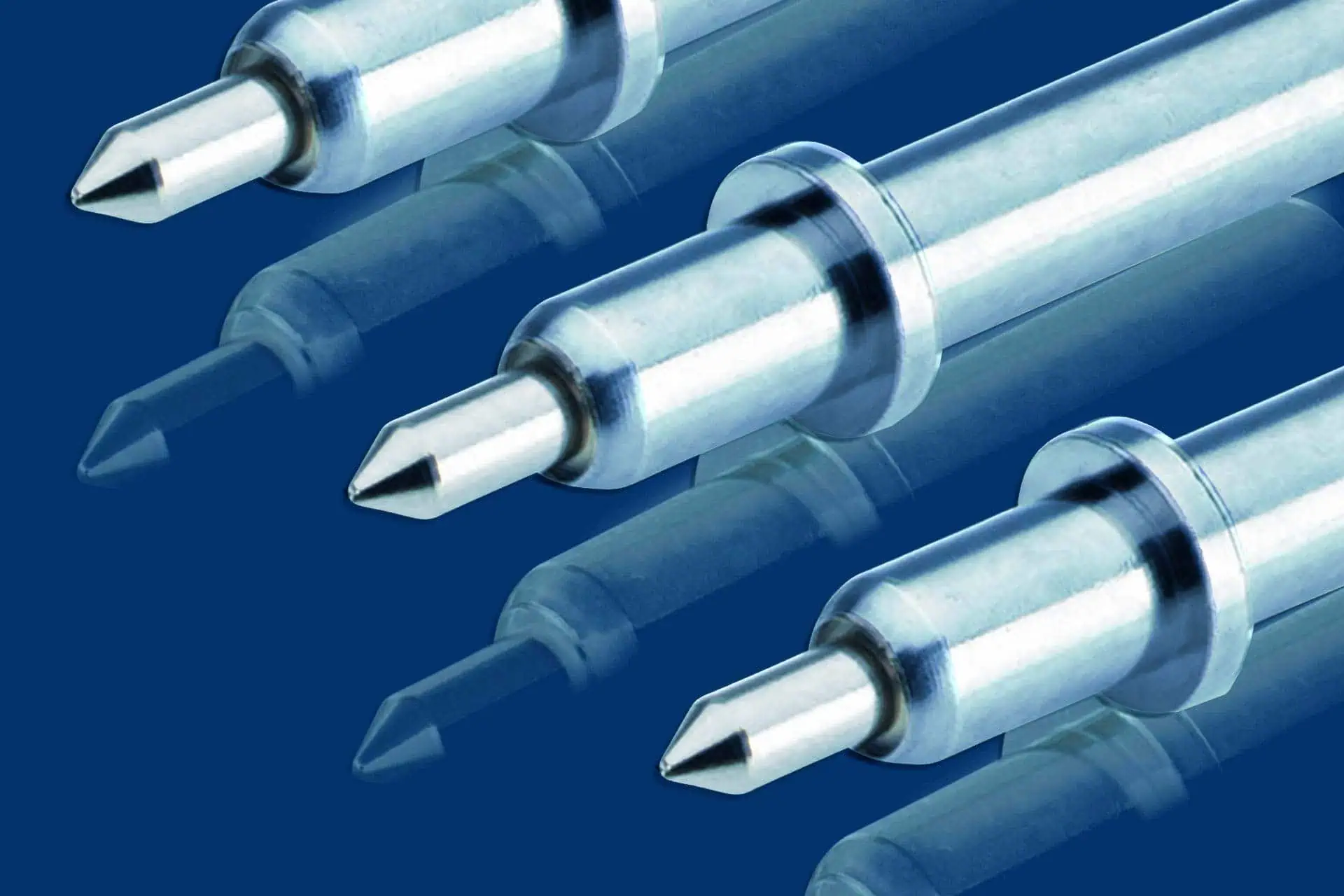
Pogo pins
Pogo pins and spring contact pins for testing, docking and modular systems – compact, robust and repeatable.
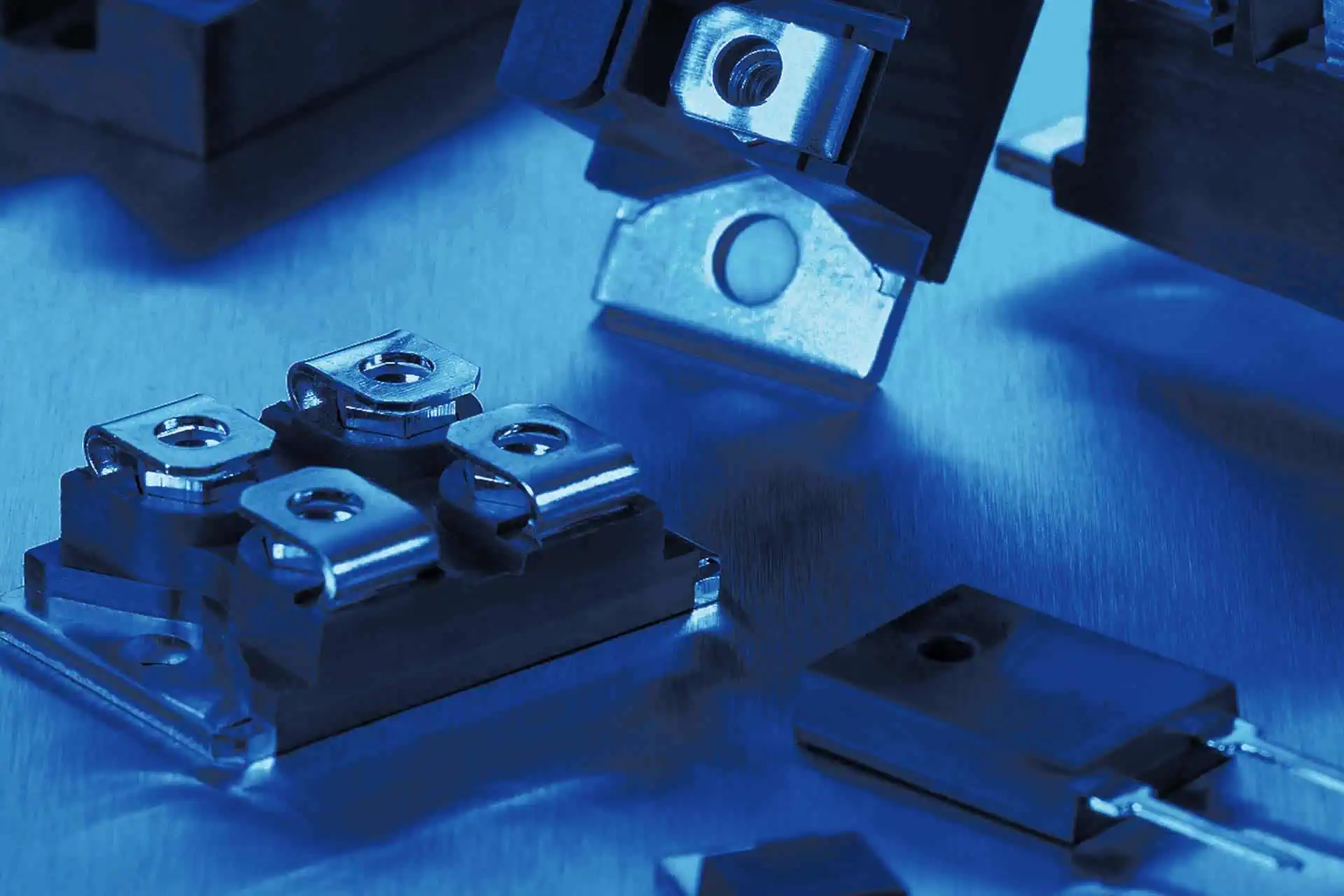
Resistors
Precision and power resistors – robust, compact and selected to suit the application.

Membrane keypads
Custom membrane keypads and front foils – robust, durable and precisely matched to your device design.

Displays
TFT, OLED and LCD displays for industrial applications – high-contrast, energy-efficient and individually customizable.

Touch Panels
Capacitive and resistive touch panels for devices and machines – precise, robust and easy to integrate.

Silicone Keypads
Silicone keypads for precise control panels and input solutions – tactile, robust, durable and customizable.
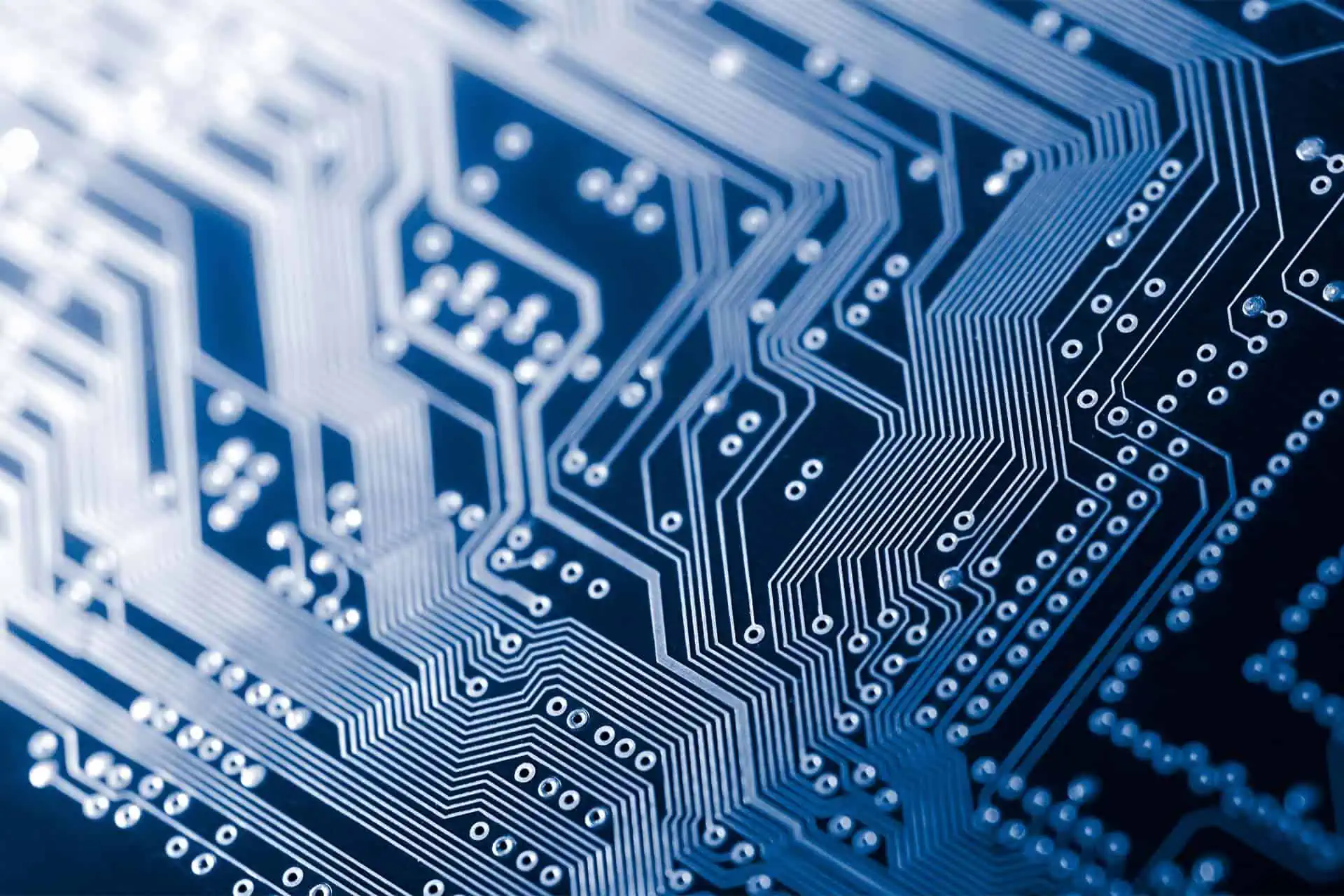
Printed Circuit Boards (PCBs)
Single- and multilayer PCBs, HDI, rigid-flex and aluminium PCBs – precisely manufactured for your application.
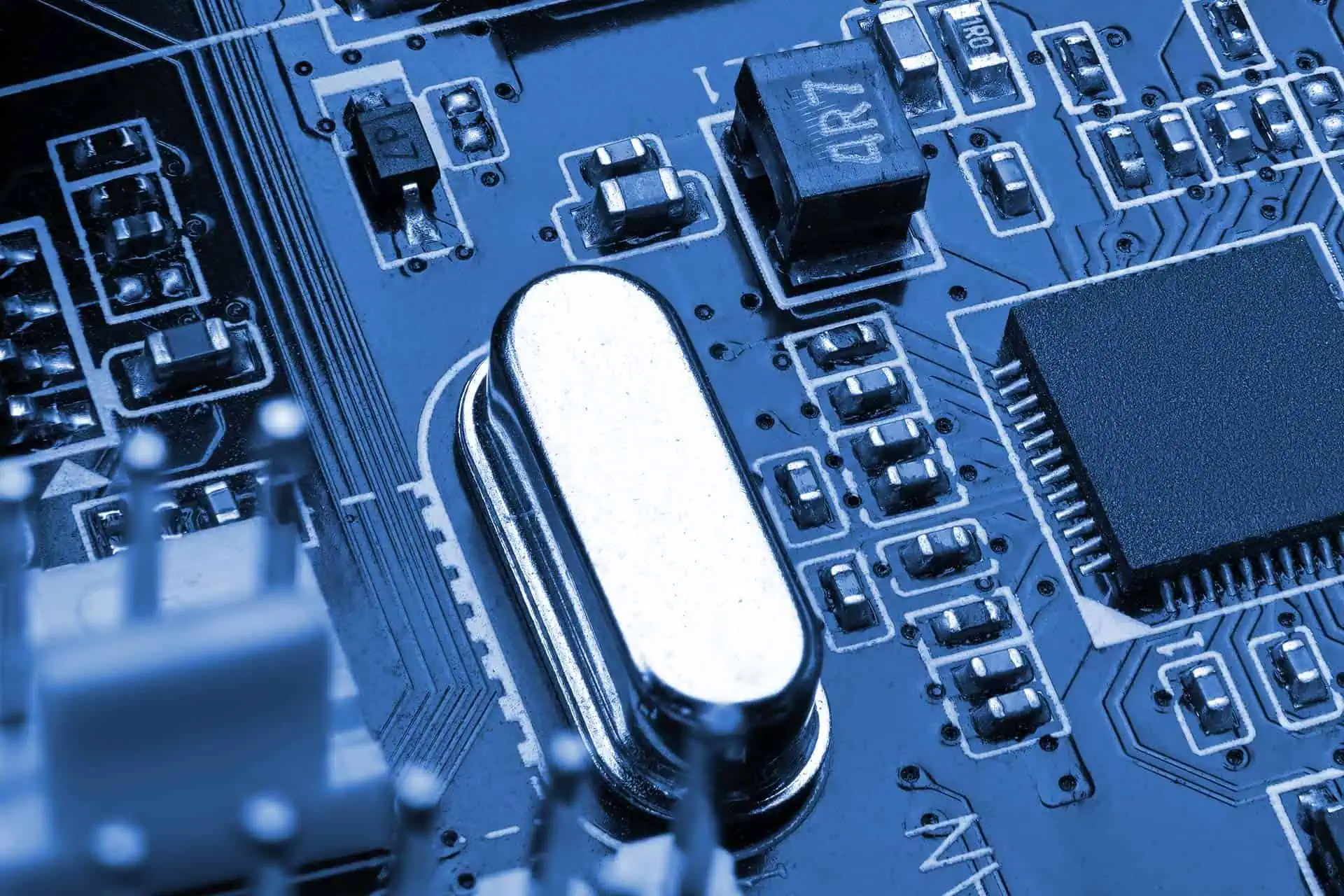
Crystals & Oscillators
Crystals and oscillators for reliable timing – frequency-stable, compact and available long-term.
Memory Components
SRAMs, PSRAMs and low-power memory for industrial electronics, embedded systems and long-life applications.

Cooling Solutions
Thermally optimized cooling solutions for electronics – from heat sinks and heat pipes to air and liquid cooling.